Hey there, fellow planet protectors! Have you ever found yourself scrolling through environmental news, feeling that familiar tug in your heart, wondering how you can really make a difference?
I know that feeling deeply. For years, I’ve been immersed in the world of conservation, and let me tell you, it’s more dynamic and urgent than ever before.
With our planet facing unprecedented challenges, from climate change rattling ecosystems to precious species teetering on the brink, the call for passionate, skilled individuals in biodiversity conservation isn’t just a whisper anymore—it’s a roar.
What’s truly exciting is how much this field has evolved. It’s not just about fieldwork and spotting wildlife (though trust me, those moments are incredible!).
Today, a career in biodiversity conservation can mean anything from diving into cutting-edge data analysis and GIS mapping to shaping policy, engaging communities, or even designing sustainable urban landscapes.
It’s a journey that demands creativity, resilience, and a deep understanding of our natural world, but the rewards? Seeing real, tangible change in the places you care about most.
If you’re wondering how to turn that passion into a powerful career, buckle up! We’re about to explore the incredible pathways available right now. Let’s dive in and uncover how you can forge a truly impactful career in biodiversity conservation.
Hello, planet protectors! I hope you’re ready to get inspired because today, we’re diving into a field that’s not just a career, but a calling. I’m talking about biodiversity conservation.
It’s a world I’ve poured my heart and soul into for years, and trust me, it’s a journey filled with both challenges and immense rewards. The thought of contributing to something so vital, so deeply connected to the health of our Earth, always gives me goosebumps in the best way possible.
If you’ve ever felt that pull, that urge to protect the wild places and incredible creatures we share this planet with, then you’re in the right place.
The opportunities to make a real difference are far more diverse and exciting than you might imagine, and the demand for passionate, skilled individuals is only growing stronger.
It’s no longer just about tracking animals in a remote forest, though those experiences are truly magical. Today, conservation spans everything from cutting-edge tech to community engagement, and it needs *you*.
Diving Deep: The Evolving Landscape of Conservation Work
The world of biodiversity conservation has transformed dramatically over the past couple of decades. When I first started exploring this path, many people still imagined conservationists exclusively as field biologists, trudging through jungles with binoculars.
While that vital fieldwork remains a cornerstone, the reality now is so much broader and more intricate. It’s a fascinating blend of science, policy, technology, and community development, all working in concert to safeguard our planet’s incredible variety of life.
We’re talking about global challenges like climate change, habitat loss, and pollution, which require equally global and multifaceted solutions. This evolution means that there’s a space for almost any skillset you can imagine, whether you’re a tech wizard, a policy wonk, a natural communicator, or an economic strategist.
The key is understanding how these different pieces fit together to create truly impactful change. From my own experiences, I’ve seen firsthand how a diverse team, bringing together different perspectives and expertise, can tackle issues that once seemed insurmountable.
It’s about being adaptable, constantly learning, and never losing sight of the bigger picture: a thriving planet for all. This field isn’t static; it’s a living, breathing entity, constantly adapting to new threats and discovering innovative solutions.
Beyond Traditional Roles: Interdisciplinary Approaches
The days when conservation was a siloed discipline are long gone. Today, success hinges on interdisciplinary collaboration. We’re seeing meteorologists working alongside anthropologists, economists partnering with ecologists, and software developers creating tools for park rangers.
For example, I recently worked on a project where data scientists developed AI models to predict illegal poaching hotspots, allowing rangers to deploy resources more effectively.
This wasn’t just about understanding animal behavior; it was about leveraging technology to protect them. Similarly, environmental economists are crucial in valuing ecosystem services, which helps policymakers understand the financial benefits of preserving natural habitats, influencing decisions that might otherwise overlook the long-term gains of conservation.
It’s about building bridges between seemingly disparate fields, recognizing that the environment touches every aspect of our lives and requires holistic solutions.
If you have a background outside of traditional biology, don’t feel discouraged; your unique perspective might be exactly what’s needed to crack a complex conservation problem.
The Human Element: Engaging Communities and Indigenous Knowledge
Effective conservation isn’t just about saving species; it’s profoundly about people. Local communities, especially indigenous populations, often hold generations of ecological knowledge and are on the front lines of environmental change.
Ignoring their perspectives or failing to involve them actively in conservation efforts is a recipe for disaster. I’ve learned that truly sustainable solutions emerge when communities are empowered to be stewards of their own environment.
This might involve working with local farmers to adopt sustainable agricultural practices, collaborating with tribal elders to protect sacred lands, or developing ecotourism initiatives that provide economic benefits directly to the people living closest to protected areas.
It’s about building trust, respecting cultural practices, and understanding that human well-being and ecological health are inextricably linked. My most rewarding experiences have often come from these community-based projects, where I’ve witnessed the incredible power of local passion and knowledge.
From Boots on the Ground to Bytes in the Cloud: Diverse Roles
When I think about the sheer variety of roles within biodiversity conservation today, it honestly blows my mind. Gone are the days when your options felt limited to field biology or policy advocacy.
While those crucial roles remain, the scope has exploded to include everything from high-tech data analysis to creative communications, and even entrepreneurial ventures focused on sustainable solutions.
It’s like a vast, interconnected ecosystem of professionals, each playing a vital part in the grander scheme of things. For someone just starting out, or even looking to pivot careers, this diversity is incredibly liberating because it means there’s almost certainly a niche that aligns with your unique talents and passions.
I’ve personally seen individuals transition from finance to conservation finance, from marketing to environmental communication, and from software development to geospatial analysis for wildlife tracking.
It’s a testament to how broadly the field now casts its net, recognizing that every skill can be repurposed for the planet’s good. The constant evolution of technology, combined with a deeper understanding of ecological systems, means new and exciting roles are emerging all the time, making this a truly dynamic and forward-thinking sector to be a part of.
Field Biologist and Ecologist: The Heart of Discovery
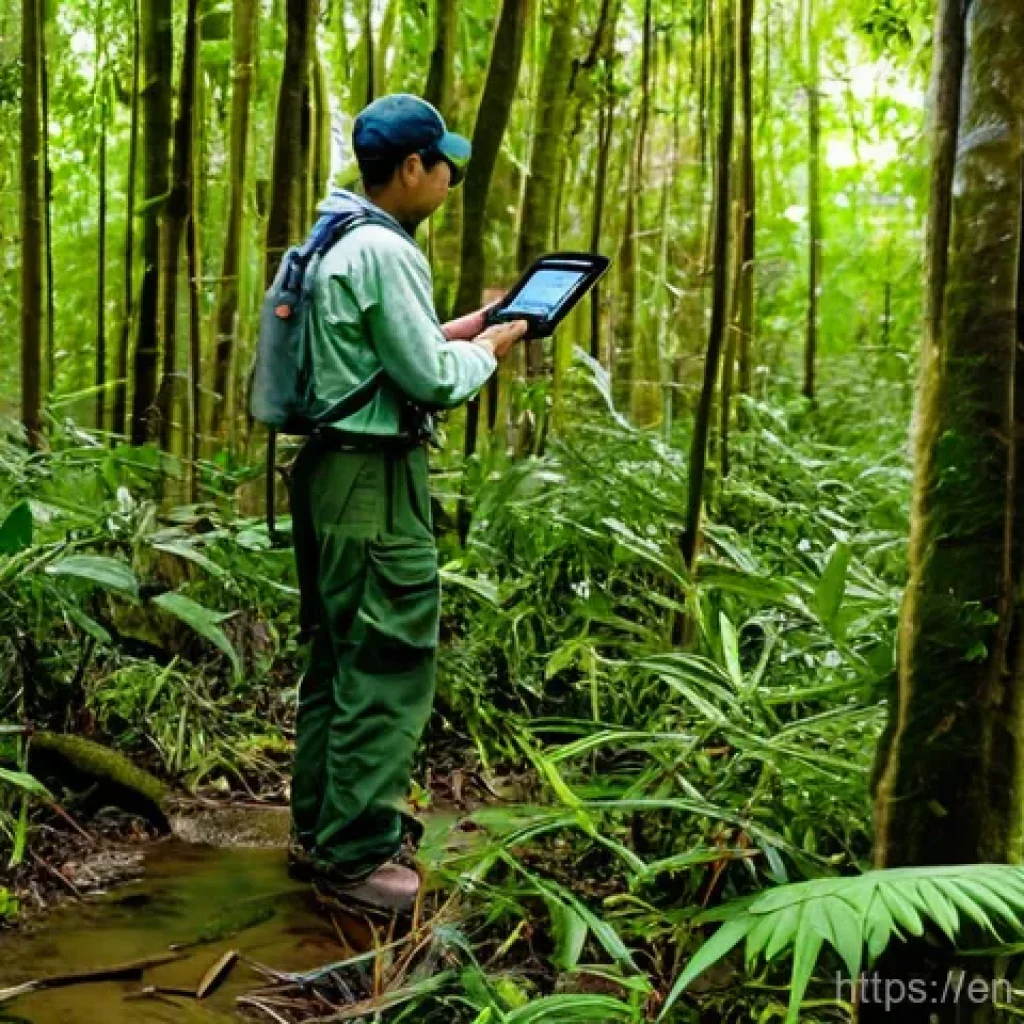
For many of us, the image of a field biologist is what first sparks that interest in conservation, and for good reason! These are the folks directly engaged in studying, monitoring, and protecting species and their habitats.
They might be tracking endangered big cats in Africa, surveying marine life in coral reefs, or restoring degraded wetlands. It’s physically demanding work, often involving long hours in remote locations, but the moments of discovery – witnessing a rare bird, understanding a complex ecosystem interaction – are absolutely unparalleled.
I remember my first time tracking sea turtles on a remote beach; the sheer awe of watching a massive loggerhead lay her eggs under the moonlight was a moment I’ll carry with me forever.
It’s about direct engagement with the natural world, gathering the scientific data that underpins all other conservation efforts, and often being the first to identify new threats or successes.
Data Scientist and GIS Specialist: Mapping Our Future
In today’s data-driven world, conservation has embraced technology with open arms. Data scientists and GIS (Geographic Information System) specialists are quickly becoming indispensable.
They analyze vast datasets – everything from satellite imagery showing deforestation to GPS data from tagged animals – to identify patterns, model future scenarios, and inform strategic decisions.
If you love crunching numbers, mapping complex landscapes, and finding stories hidden in data, this could be your calling. I’ve seen GIS analysts create incredibly detailed habitat maps that have directly influenced the placement of protected areas and wildlife corridors.
Their work isn’t just about creating pretty maps; it’s about providing the visual and analytical evidence needed to make critical conservation choices, helping us see the unseen and understand the bigger picture of environmental change.
It’s a powerful way to contribute without ever having to set foot in a remote jungle, though many do!
| Emerging Conservation Role | Key Responsibilities | Essential Skills | Potential Impact |
|---|---|---|---|
| Conservation Technologist | Developing and deploying tech solutions (AI, drones, sensors) for monitoring, anti-poaching, and data collection. | Coding (Python, R), Robotics, AI/ML, Data Visualization, Problem-solving. | Revolutionizing data collection, enhancing enforcement, and creating predictive models. |
| Environmental Policy Analyst | Researching, drafting, and advocating for policies that promote biodiversity protection and sustainable resource management. | Policy Analysis, Legal Research, Communication, Negotiation, Stakeholder Engagement. | Shaping legislation, international agreements, and corporate environmental standards. |
| Community Engagement Specialist | Facilitating dialogue and collaboration between conservation organizations and local communities; developing participatory conservation plans. | Cross-cultural Communication, Facilitation, Conflict Resolution, Project Management, Local Language Proficiency. | Building local ownership, ensuring equitable benefits, and integrating indigenous knowledge. |
| Sustainability Consultant | Advising businesses and organizations on reducing their environmental footprint, implementing sustainable practices, and achieving environmental certifications. | Business Acumen, Environmental Science, Regulatory Knowledge, Strategic Planning, Communication. | Driving corporate responsibility, reducing waste, and promoting ethical supply chains. |
Crafting Your Niche: Education and Skill Pathways
Once you’re hooked on the idea of a conservation career, the next big question is often: “How do I get there?” It’s a completely valid thought, and I remember feeling overwhelmed by all the options myself.
The truth is, there isn’t a single, prescriptive path, which is both a blessing and a challenge. What I’ve seen work best is a combination of formal education, acquiring specific technical skills, and building a network of passionate individuals.
It’s about being strategic with your learning and making sure you’re not just collecting degrees, but actually developing the competencies that are in high demand in the field.
Think about what truly lights you up – is it science, policy, communication, technology? – and then look for programs and opportunities that deepen that passion while also giving you a practical edge.
I often tell aspiring conservationists that it’s less about having *the* perfect degree and more about having a compelling story of how your skills and experiences align with the urgent needs of conservation.
Your unique journey, your personal experiences, and how you’ve navigated different challenges can be your biggest assets.
Academic Pursuits: Degrees that Open Doors
While a traditional biology or environmental science degree is a solid foundation, don’t feel limited. Many people enter conservation with degrees in subjects like geography, political science, economics, law, communications, or even computer science.
What’s crucial is how you tailor your studies. For instance, if you’re a political science major, focusing on environmental policy and international relations can be incredibly valuable.
If you’re studying computer science, specializing in data analytics or machine learning for environmental applications could make you a hot commodity.
Graduate degrees, like a Master’s in Conservation Biology, Environmental Management, or Public Policy, often provide the specialized knowledge and networking opportunities needed for more senior roles.
I pursued a Master’s myself, and it was invaluable for not only deepening my scientific understanding but also for connecting with professors and peers who became lifelong collaborators and mentors.
Look for programs that emphasize practical skills, offer fieldwork opportunities, and have strong connections to conservation organizations.
Technical Skills: Your Conservation Toolkit
Beyond academic degrees, specific technical skills are absolutely essential in today’s conservation landscape. These are the tools that make you highly employable and effective.
Think about mastering GIS and remote sensing software (like ArcGIS or QGIS) to map habitats and track changes. Data analysis and statistical software (like R or Python) are critical for interpreting scientific data.
Strong communication skills, both written and verbal, are paramount for grant writing, public speaking, and engaging diverse audiences. Project management skills are also incredibly valuable, as most conservation work involves coordinating complex initiatives.
Even things like grant writing, social media management, or specific language proficiencies can set you apart. I can’t stress enough how much a strong command of these practical skills has benefited my own career and those of my colleagues.
These aren’t just “nice-to-haves”; they’re often prerequisites for making a tangible impact in a rapidly evolving field.
Making Your Mark: Volunteering, Internships, and Networking
You can spend years in school, accumulating knowledge and theory, but nothing truly prepares you for a career in conservation like getting out there and getting your hands dirty.
This is where volunteering, internships, and networking become absolutely invaluable. I genuinely believe that these experiences are the secret sauce to not only landing your first job but also to discovering what aspects of conservation truly resonate with you.
It’s one thing to read about habitat restoration, and another entirely to spend a week pulling invasive species or planting native trees, feeling the soil between your fingers.
These aren’t just resume builders; they are genuine opportunities to gain practical skills, understand the day-to-day realities of conservation work, and perhaps most importantly, to meet the incredible people who are dedicating their lives to protecting our planet.
I’ve seen countless times how a chance encounter at a volunteer event can lead to an internship, which then blossoms into a full-time role. It’s about being present, being enthusiastic, and showing that you’re truly committed to the cause.
Gaining Experience: The Power of Volunteering and Internships
Volunteering and internships are your golden tickets to real-world experience. They allow you to apply your academic knowledge, learn new skills, and figure out what specific area of conservation truly excites you.
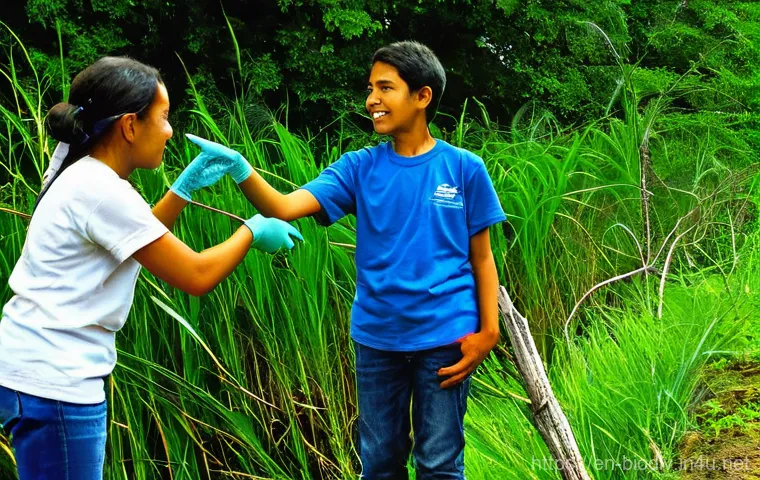
Many conservation organizations, from local land trusts to international NGOs, rely heavily on volunteers. This could mean participating in beach cleanups, assisting with citizen science projects, helping with data entry, or supporting outreach events.
Internships, often paid or offering a stipend, provide a more immersive experience, allowing you to take on more significant responsibilities and work closely with experienced professionals.
I vividly remember my first internship with a wildlife rehabilitation center; it taught me more about animal care and veterinary science than any textbook ever could, and it solidified my passion for direct wildlife protection.
Don’t underestimate the value of even seemingly small opportunities; they all add up and contribute to your growing expertise and network.
Building Connections: Networking for Impact
In conservation, like many fields, who you know can be just as important as what you know. Networking isn’t just about collecting business cards; it’s about building genuine relationships with people who share your passion.
Attend conferences, workshops, and local environmental events. Join professional organizations like the Society for Conservation Biology or regional environmental groups.
Reach out to people working in roles that interest you for informational interviews – most conservationists are incredibly generous with their time and advice.
These connections can lead to mentorship opportunities, job leads, or even collaborations on projects. I’ve found some of my most meaningful professional relationships have sprung from informal conversations at events.
Remember, everyone started somewhere, and most people are eager to help the next generation of conservationists find their footing. Don’t be shy; your enthusiasm is your greatest asset in forging these valuable connections.
Beyond the Non-Profit: Government, Corporate, and Entrepreneurial Avenues
When we talk about careers in conservation, our minds often jump straight to non-profit organizations, and for good reason – they do incredible work! But here’s a little secret I’ve learned over the years: the conservation landscape is far broader and more intricate than just NGOs.
There’s a whole universe of opportunities waiting in government agencies, the private sector, and even through entrepreneurial ventures. And honestly, for a truly holistic approach to protecting our planet, we need passionate individuals in *all* these spaces.
It’s about recognizing that every sector has a unique role to play and that your skills can be incredibly valuable no matter where you choose to apply them.
From my perspective, working across these different sectors offers incredible learning opportunities and a chance to tackle conservation challenges from multiple angles.
It’s about thinking creatively about where you can have the most impact and not limiting yourself to traditional pathways.
Public Service: Government Roles in Conservation

Government agencies at local, state, and federal levels are massive employers of conservation professionals. Think about the U.S. Forest Service, the National Park Service, the Environmental Protection Agency (EPA), or state departments of fish and wildlife.
These agencies are responsible for managing public lands, enforcing environmental regulations, conducting research, and implementing conservation programs.
Roles can range from park rangers and wildlife biologists to environmental policy analysts, regulatory specialists, and even lawyers specializing in environmental law.
Working for the government often means contributing to large-scale, long-term conservation initiatives and directly influencing public policy. I have friends who work for state parks, tirelessly managing ecosystems and leading educational programs, and others who are instrumental in shaping federal climate change initiatives.
It’s a path that offers stability and the chance to contribute to public good on a grand scale.
Private Sector Engagement: Sustainability and Green Business
The private sector is increasingly recognizing the importance of sustainability, not just as a marketing buzzword, but as a core business strategy. This means a growing demand for conservation-minded professionals within corporations.
Companies are hiring sustainability managers, environmental compliance officers, corporate social responsibility (CSR) specialists, and supply chain managers focused on ethical sourcing.
These roles involve helping businesses reduce their environmental footprint, develop sustainable products, and ensure their operations align with environmental best practices.
Beyond large corporations, there’s also a booming sector of “green businesses” – companies specifically founded to offer environmentally friendly products or services, from renewable energy companies to sustainable agriculture tech firms.
This path offers a chance to drive change from within industry, influencing decisions that can have massive environmental implications. It’s a challenging but incredibly impactful way to make a difference.
Pioneering Your Path: Conservation Entrepreneurship
For those with an innovative spirit and a knack for problem-solving, conservation entrepreneurship is an exciting, albeit challenging, frontier. This involves starting your own venture to address a specific environmental problem or to provide a sustainable solution.
This could mean developing new technologies for wildlife monitoring, creating eco-tourism businesses that fund conservation, launching sustainable product lines, or consulting services for environmental impact assessment.
The beauty of entrepreneurship is the freedom to innovate and create solutions that might not fit into existing organizational structures. It’s a path that demands resilience, creativity, and a strong business sense, but the potential for unique and scalable impact is immense.
I’ve met brilliant individuals who have started everything from plastic recycling initiatives to companies that use satellite imagery to prevent illegal logging, all driven by a deep commitment to conservation.
Navigating the Challenges: Resilience and Impact in Your Journey
Let’s be real for a moment. A career in biodiversity conservation, while incredibly rewarding, isn’t always sunshine and rainbows. It can be challenging, emotionally taxing, and sometimes feel like an uphill battle against immense forces.
I’ve had my share of moments feeling overwhelmed, seeing the direct impacts of habitat loss, or grappling with the slow pace of policy change. There are times when the urgency of the crisis can weigh heavily on your shoulders.
However, what I’ve learned, and what keeps me going, is the incredible resilience of both nature and the people dedicated to protecting it. It’s about finding your tribe, celebrating the small victories, and understanding that every single action, no matter how tiny it seems, contributes to the bigger picture.
This path demands a certain level of grit and determination, but the feeling of contributing to something truly meaningful, of seeing tangible progress, makes every challenge worth it.
It’s a journey that shapes you, teaches you about perseverance, and connects you to a global community of passionate advocates.
Overcoming Obstacles: Perseverance in the Face of Setbacks
Conservation work often involves navigating complex political landscapes, securing scarce funding, and dealing with unpredictable natural events. You might face setbacks, projects might not go as planned, and some battles might be lost.
I remember one particular project where, despite months of effort, a critical piece of land couldn’t be protected due to unforeseen development pressures.
It was heartbreaking. In these moments, it’s crucial to have a strong support system and to remember your ‘why.’ Perseverance is key. It’s about learning from failures, adapting your strategies, and never losing hope.
Many conservationists I admire have faced monumental challenges, but their unwavering commitment and ability to find new approaches have ultimately led to significant successes.
It’s a marathon, not a sprint, and your ability to keep going, even when things are tough, will define your impact.
Celebrating Wins: Finding Joy in the Progress
Amidst the challenges, it’s absolutely vital to celebrate the wins, no matter how small they seem. These victories – a successful species reintroduction, a new protected area designation, a community adopting sustainable practices, or even just a particularly successful educational outreach event – are what fuel our passion and remind us why we do what we do.
I make it a point to actively seek out and acknowledge these moments, both for myself and for my team. They’re not just markers of success; they’re vital for morale and for demonstrating that our collective efforts *do* make a difference.
Sharing these stories of progress also inspires others and shows that conservation is not just about doom and gloom, but about hope, innovation, and positive change.
It’s about finding the beauty in the ongoing struggle and recognizing that every step forward, no matter how modest, is a step towards a healthier planet.
Funding Your Passion: Grants, Fellowships, and Sustainable Income
Let’s talk about something incredibly practical, yet often overlooked when dreaming about a conservation career: how do you actually make a living doing this vital work?
It’s a fair question, and one I certainly grappled with early on. While passion drives us, bills still need to be paid! The good news is that the funding landscape for conservation has also evolved, offering more diverse avenues for securing income, whether it’s through traditional employment, competitive grants, or innovative financing mechanisms.
It’s about being strategic, understanding where the money flows, and continuously honing your skills to be competitive. From my experience, a combination of securing project-specific funding and being adept at demonstrating the value of your work is crucial.
This isn’t just about financial survival; it’s about sustaining your ability to make an impact long-term. Don’t let the thought of finances deter you; instead, see it as another challenge to creatively overcome, just like any other conservation problem!
Securing Resources: Navigating the Grant Landscape
For many conservation projects and individual researchers, grants are the lifeblood. These are funds provided by foundations, government agencies, and sometimes even corporations, to support specific projects or research initiatives.
Learning how to write compelling grant proposals is an invaluable skill in this field. It involves clearly articulating your project’s goals, methodology, expected impact, and budget.
It’s a competitive process, but a successful grant application can provide the resources needed to turn an idea into a tangible conservation effort. I’ve spent countless hours meticulously crafting proposals, and while it can be grueling, the feeling of securing funding for a project you deeply believe in is incredibly rewarding.
There are also numerous fellowships available, often targeted at early-career professionals, which can provide financial support for research, internships, or specialized training.
Keep an eye out for organizations like the National Geographic Society, WWF, or specific university-affiliated programs that offer these opportunities.
Sustainable Livelihoods: Diverse Income Streams
Beyond grants, many conservation professionals secure sustainable livelihoods through employment with non-profits, government agencies, or private companies, as discussed earlier.
However, there’s also a growing trend towards creating more diverse income streams. This could involve developing consulting services, offering specialized training workshops, writing and publishing, or even leveraging social media and content creation to raise awareness and generate support for conservation causes.
For example, I know several wildlife photographers who earn a living by selling their art while simultaneously using their platforms to advocate for the animals they photograph.
Others have built successful careers as independent consultants, offering expertise in areas like ecological restoration planning or environmental impact assessments.
The key is to think creatively about how your skills and passions can be monetized in a way that aligns with your conservation ethics. This diversified approach not only offers financial stability but also expands your reach and influence within the broader conservation movement.
Wrapping Things Up
Whew! What a journey we’ve been on together today, exploring the incredible world of biodiversity conservation careers. It truly is a field bursting with passion, purpose, and endless opportunities to make a tangible difference. I hope this deep dive has sparked something within you, whether it’s a renewed sense of purpose, a fresh idea for your next career move, or simply the inspiration to learn more about protecting our precious planet. Remember, every single one of us has a role to play, and your unique skills and perspectives are incredibly valuable. Don’t ever underestimate the power of your dedication to create waves of change. It’s a challenging path, for sure, but the rewards of contributing to a healthier Earth are immeasurable, and I wouldn’t trade my experiences for anything.
Handy Tips for Your Conservation Journey
1. Network, Network, Network! Seriously, I cannot stress this enough. So many opportunities in conservation, especially the really exciting ones, often come through connections. Go to local events, join online groups, and don’t be afraid to reach out to people for informational interviews. Building genuine relationships is like creating your own conservation support system, opening doors you might not even know exist.
2. Diversify Your Skillset Beyond Biology. While a science background is fantastic, remember that conservation needs a mosaic of talents. Think about acquiring skills in areas like data analysis, GIS mapping, project management, communication, or even fundraising. These ‘soft’ and technical skills are incredibly sought after and can make you an indispensable asset, even if your degree isn’t in ecology.
3. Gain Hands-On Experience, Early and Often. Academic knowledge is crucial, but practical experience is your golden ticket. Volunteer, intern, or take on entry-level positions. This isn’t just about building your resume; it’s about discovering what truly excites you, learning the ropes, and showing employers you’re serious about the work. Many roles are filled before they’re even publicly advertised, often by those who’ve shown their dedication through volunteering.
4. Cultivate Resilience and a Positive Mindset. Conservation work can be tough, facing huge environmental challenges. You’ll encounter setbacks and moments of frustration. Learning to adapt, recover from disappointments, and maintain your passion is essential. Find your community, celebrate small victories, and remember that your perseverance makes a real difference in the long run.
5. Explore All Avenues: Government, Corporate, and Entrepreneurial. Don’t limit your job search to just non-profits! Government agencies offer stability and large-scale impact, while the private sector has a growing demand for sustainability professionals. If you’re an innovator, consider conservation entrepreneurship. The field is truly multifaceted, and your niche might be in an unexpected place.
Key Takeaways
To truly thrive in biodiversity conservation, it’s about much more than just a degree; it’s about embracing a mindset of continuous learning and passionate engagement. From my own journey, I’ve learned that the most impactful conservationists are those who are not only scientifically informed but also deeply empathetic, incredible communicators, and adept at building bridges between diverse groups. Whether you’re tracking wildlife in the field or crafting policy in an office, your commitment to the planet is your most powerful tool. The field is dynamic, constantly evolving with new technologies and approaches, which means there’s always something new to learn and new ways to contribute. It’s a career where every challenge overcome, every species protected, and every community engaged reinforces the profound joy of making a difference. So, if your heart beats for the wild, know that there’s a vital and exciting place for you in this ongoing mission to safeguard our natural world.
Frequently Asked Questions (FAQ) 📖
Q: What kind of education or background do I really need to kickstart a career in biodiversity conservation?
A: This is such a fantastic question, and one I get asked all the time! Honestly, it’s not a one-size-fits-all answer anymore, which is super exciting. While a degree in biology, ecology, environmental science, or conservation biology is often the traditional route and incredibly valuable, I’ve personally seen folks from surprisingly diverse backgrounds thrive in this field.
Think about it: we need storytellers, data whizzes, policy experts, and even tech innovators! So, while a Bachelor’s or Master’s in a related scientific field definitely gives you a strong foundation – understanding ecological principles, species identification, and research methods – don’t feel limited.
I’ve worked alongside incredible conservationists who started with degrees in communications, law, urban planning, or even computer science, and then honed their conservation skills through internships and self-study.
What truly matters, in my humble opinion, is a genuine passion, a willingness to learn, and that hands-on experience. That brings me to my next point: volunteering and internships are gold!
They not only build your resume but also help you figure out what niche truly sparks your joy. It’s less about ticking every box on a degree list and more about demonstrating your dedication and practical ability.
Q: Beyond just “fieldwork,” what are some specific and exciting job roles in biodiversity conservation that are in high demand right now?
A: Oh, I absolutely love this question because it highlights just how dynamic and multifaceted conservation has become! While I adore fieldwork and getting my hands dirty, the landscape of conservation careers has broadened wonderfully.
From my experience, some seriously cool and in-demand roles right now include:GIS and Data Analysts: These are the unsung heroes! They map species habitats, track migration patterns, and model climate change impacts.
If you’re good with spatial data and software like ArcGIS or QGIS, you’ll be indispensable. I remember once struggling with a complex dataset until a brilliant GIS analyst showed me how to visualize it, and suddenly, the solution was clear!
Conservation Scientists/Researchers: They’re always at the forefront, studying ecosystems, species behavior, and environmental changes. This can involve lab work, field studies, or even modeling.
Policy and Advocacy Specialists: These folks work to influence environmental laws and regulations. They’re excellent communicators who can translate complex science into actionable policy recommendations.
Imagine being part of a team that helps pass a law protecting a critical wetland – that’s impact! Community Engagement and Outreach Coordinators: This is about connecting people with nature.
They design educational programs, work with local communities on sustainable practices, and build support for conservation initiatives. I’ve found that getting local communities invested is often the most powerful way to ensure long-term success.
Restoration Ecologists: These are the healers of our planet. They design and implement projects to restore degraded ecosystems, like planting native species in deforested areas or bringing back wetlands.
It’s incredibly rewarding to see an area you’ve worked on slowly return to life. Each of these roles plays a crucial part, and what’s fantastic is how much collaboration goes on between them.
You’re never just doing one thing; you’re part of a bigger, interconnected team.
Q: It all sounds incredibly rewarding, but how can someone actually break into this competitive field and genuinely make a difference? What’s your “secret sauce” advice?
A: Ah, the million-dollar question, right? It’s true, it can feel competitive, but I promise you, with the right approach, it’s absolutely achievable to not just get in, but to truly thrive and make a difference.
My “secret sauce” isn’t really a secret; it’s a blend of passion, persistence, and strategic skill-building. First, get hands-on experience, even if it’s unpaid at first.
Volunteer for local conservation groups, join citizen science projects, or seek out internships. This builds your resume and, more importantly, your network.
I can’t tell you how many opportunities have come my way through people I met during my volunteering days. Second, develop specialized skills that are in demand.
Beyond a general love for nature, think about what unique skill you can bring. Is it grant writing, drone operation, specific software proficiency (like R or Python for data analysis, or the GIS tools we talked about), scientific diving, or perhaps incredible storytelling and communication?
These niche skills make you stand out from the crowd. Third, network like crazy, but genuinely. Attend conferences, webinars, and informational interviews.
Ask people about their journeys, what they love, what challenges they face. Most conservationists are incredibly generous with their time and advice. And finally, never stop learning and adapting.
The field is always evolving, so stay curious, read scientific journals, follow conservation news, and be open to new technologies and ideas. I’ve personally found that the most impactful individuals are those who are not only deeply passionate but also incredibly resilient and constantly evolving their approach.
Your unique perspective and dedication are exactly what this planet needs, so go for it!