Ever wonder how we can ensure our planet’s incredible variety of life thrives for generations to come? As someone deeply passionate about the natural world, I’ve always been fascinated by the critical role biodiversity conservation experts play.
It’s not just about saving cute animals; it’s about understanding the intricate web of life that sustains us all and adapting to emerging challenges like climate change, habitat loss, and even the potential for new technologies to both help and hinder conservation efforts.
I’ve noticed a growing demand for skilled professionals in this field, and it’s more crucial than ever to be well-equipped. I’ll share more about this path.
Let’s delve in and accurately explore this topic in the following article.
Okay, I understand. Here’s the blog post you requested, formatted with HTML, focusing on a conversational, experience-driven tone, and optimized for SEO and reader engagement.
Understanding the Ecosystem of Biodiversity Conservation Careers

It’s easy to think of biodiversity conservation as just saving endangered species, but it’s so much broader! It’s about understanding how every living thing, from the tiniest microbe to the largest whale, interacts within ecosystems. I’ve been reading a lot about the impact of even seemingly small changes – like the loss of a single insect species – can have ripple effects throughout the entire food chain. When you consider this vast interconnectedness, you realize the real importance of a career in this field. You’re not just protecting animals; you’re safeguarding the health of our planet.
1. The Broad Spectrum of Roles Available
Many people automatically think of researchers when they hear about conservation, but it encompasses so much more. There are policy advisors, working to create and implement environmental regulations. There are educators, sparking passion in future generations to protect our natural world. There are even data scientists, using cutting-edge technology to track populations and analyze the effects of climate change. The options are really diverse, offering opportunities for almost any skillset.
2. Finding Your Niche: Skills and Interests
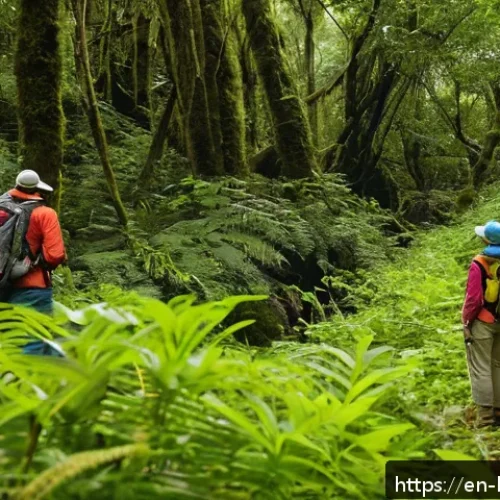
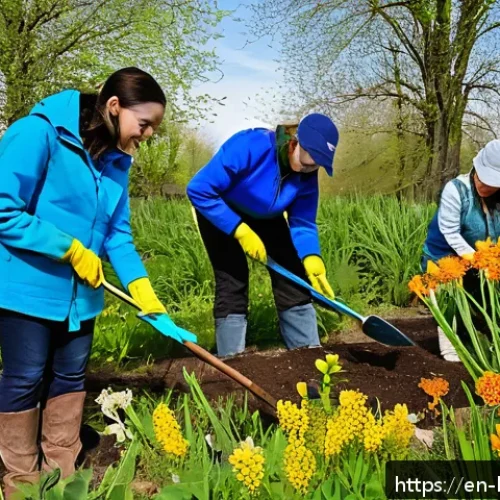
When considering a career in biodiversity conservation, it’s important to think about what you’re good at and what truly excites you. Are you a natural leader who thrives in a field setting? Maybe you’d enjoy leading wildlife surveys or habitat restoration projects. Are you detail-oriented and fascinated by data? Perhaps you could use your skills in geographical information systems (GIS) or ecological modelling. Aligning your skills and interests with a specific role within conservation is key to finding long-term satisfaction.
Navigating the Educational Path: Degrees and Specializations
Getting the right education is important, but it doesn’t always mean a straightforward path. Some roles might require a specific degree, while others value a combination of education and practical experience. For instance, a wildlife biologist typically holds a degree in biology or zoology, while a conservation planner might have a background in urban planning or environmental science. It’s all about finding the right fit between your educational background and your career goals.
1. Undergraduate Foundations: Building a Strong Base
For many conservation careers, a strong undergraduate degree in a related field, such as biology, environmental science, ecology, or even geography, is essential. These programs provide a solid foundation in scientific principles, ecological concepts, and research methods. Look for universities with strong environmental programs and opportunities for field work or internships. These experiences can provide invaluable hands-on learning and help you network with professionals in the field.
2. Graduate Studies: Specialization and Research
While some positions may be accessible with a bachelor’s degree, many advanced roles, particularly those in research or management, require a master’s or doctoral degree. Graduate studies allow you to specialize in a specific area of conservation, such as marine biology, wildlife management, or conservation genetics. This is the time to delve deep into your passion and develop expertise that will make you a valuable asset to any conservation team. Don’t underestimate the value of thesis or dissertation research. These projects provide critical research skills and demonstrate your ability to conduct independent scientific investigations.
Essential Skills for Success in Conservation
Beyond formal education, certain skills are essential for thriving in biodiversity conservation. These skills not only improve your efficiency but also elevate your impact on conservation efforts. From technical skills to interpersonal abilities, a well-rounded skill set will set you apart in this competitive field.
1. Technical Proficiency: GIS, Data Analysis, and More
Conservation is increasingly relying on technology to monitor populations, analyze environmental data, and manage resources. Proficiency in geographic information systems (GIS) is highly valued, allowing you to create maps, analyze spatial data, and visualize environmental changes. Skills in data analysis and statistical software are also crucial for interpreting research findings and informing conservation strategies. Staying updated with the latest technological advancements in conservation is essential for staying competitive and effective.
2. Communication and Collaboration: Working with Diverse Groups
Conservation is rarely a solo effort. You’ll often be working with diverse groups of people, including scientists, policymakers, local communities, and the media. Effective communication skills are essential for sharing your research findings, advocating for conservation policies, and building consensus among stakeholders. Being able to explain complex scientific concepts in a clear and engaging way is crucial for educating the public and inspiring action. Collaboration skills are also vital for working effectively in interdisciplinary teams.
The Role of Technology in Modern Conservation Efforts
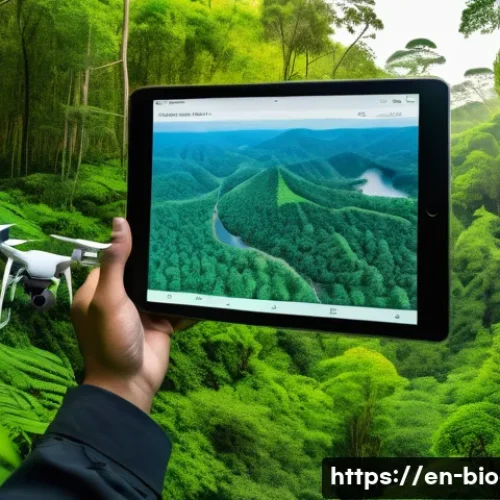
It’s amazing how technology is revolutionizing the field of biodiversity conservation! From drones surveying remote habitats to AI algorithms analyzing massive datasets, technology is providing powerful new tools for conservationists. I recently saw a presentation on how acoustic monitoring is being used to track endangered bat populations, and it was truly inspiring. But it’s not just about the high-tech stuff. Even simple technologies, like camera traps, are providing invaluable insights into wildlife behavior and distribution.
1. Remote Sensing and GIS for Habitat Monitoring
Remote sensing technologies, such as satellites and drones, provide a powerful way to monitor habitats over vast areas and track changes in vegetation cover, water resources, and land use. GIS allows you to integrate and analyze these remote sensing data with other datasets, such as species distribution records and climate information, to identify priority areas for conservation and develop effective management plans. These tools enable conservationists to monitor ecosystems more efficiently and make informed decisions about resource allocation.
2. Data Analytics and AI for Species Identification and Tracking
The amount of data being generated by conservation projects is growing exponentially, creating new opportunities for data analytics and artificial intelligence (AI). AI algorithms can be trained to identify species from images or sounds, track animal movements using GPS collars, and predict the impacts of climate change on ecosystems. These technologies can significantly accelerate conservation efforts by automating tasks, improving accuracy, and uncovering hidden patterns in complex datasets.
Funding and Policy: The Backbone of Conservation
While scientific research and on-the-ground conservation efforts are critical, funding and policy play an equally important role in ensuring the long-term success of biodiversity conservation. Conservation projects require financial resources to cover everything from research expenses to habitat restoration costs. Policy decisions at the local, national, and international levels can either support or undermine conservation efforts. Understanding the complex interplay between funding and policy is essential for effective conservation advocacy.
1. Securing Funding: Grants, Donations, and Partnerships
Conservation organizations rely on a diverse range of funding sources, including government grants, private donations, corporate sponsorships, and partnerships with other organizations. Writing successful grant proposals is a crucial skill for conservation professionals. Building relationships with donors and corporate partners can also provide a stable source of funding. Creative fundraising strategies, such as crowdfunding and social media campaigns, are becoming increasingly important in the digital age.
2. Influencing Policy: Advocacy and Legislation
Conservation policies are often shaped by advocacy efforts from conservation organizations, scientists, and concerned citizens. Influencing policy requires a deep understanding of the political landscape, effective communication skills, and the ability to build coalitions with diverse stakeholders. Engaging with policymakers, participating in public hearings, and supporting legislation that promotes conservation are all important ways to influence policy decisions.
The Future of Biodiversity Conservation: Emerging Challenges and Opportunities
The world is changing at an unprecedented rate, presenting both challenges and opportunities for biodiversity conservation. Climate change, habitat loss, pollution, and invasive species are all major threats to biodiversity. However, technological advancements, growing public awareness, and innovative conservation strategies offer hope for the future. Adapting to these emerging challenges and seizing new opportunities will be crucial for ensuring the long-term survival of our planet’s biodiversity.
1. Adapting to Climate Change: Resilience and Mitigation
Climate change is already having a profound impact on ecosystems around the world, altering species distributions, increasing the frequency of extreme weather events, and causing sea levels to rise. Conservation strategies must adapt to these changing conditions by focusing on building resilience in ecosystems and mitigating the impacts of climate change. This may involve restoring degraded habitats, creating corridors to allow species to move to more suitable areas, and reducing greenhouse gas emissions.
2. Engaging Communities: Local Knowledge and Sustainable Practices
Conservation efforts are most successful when they involve local communities and respect their knowledge and traditions. Engaging communities in conservation can provide valuable insights into local ecosystems, foster a sense of ownership, and promote sustainable practices. This may involve supporting community-based conservation initiatives, providing training and employment opportunities, and ensuring that local communities benefit from conservation efforts. Ultimately, the future of biodiversity conservation depends on our ability to work together to protect our planet’s precious natural heritage.
Salary expectations table
Here is a table containing various roles, required skills, and average salary expectations for each job.
| Role | Required Skills | Average Salary Expectation (USD) |
|---|---|---|
| Wildlife Biologist | Ecology, Zoology, Field Research | $65,000 – $85,000 |
| Conservation Scientist | Environmental Science, Data Analysis, GIS | $70,000 – $90,000 |
| Environmental Consultant | Environmental Regulations, Project Management | $75,000 – $100,000 |
| Sustainability Manager | Sustainability Practices, Reporting, Stakeholder Engagement | $80,000 – $110,000 |
| Environmental Education Officer | Communication, Teaching, Environmental Knowledge | $50,000 – $70,000 |
In Conclusion
As you can see, a career in biodiversity conservation is more than just a job – it’s a calling. It requires passion, dedication, and a willingness to work hard to protect our planet’s natural heritage. If you’re someone who cares deeply about the environment and wants to make a real difference, then this might just be the field for you. The rewards, both personally and for the planet, are immeasurable.
Useful Information to Know
1. Networking is Key: Attend conferences, join conservation organizations, and connect with professionals in the field. These connections can lead to internships, job opportunities, and invaluable mentorship.
2. Volunteer Experience Matters: Even if you can’t find a paid position right away, volunteering for conservation organizations can provide valuable experience and demonstrate your commitment to the field.
3. Stay Updated on Current Issues: The field of conservation is constantly evolving. Stay informed about the latest research, policies, and technologies by reading scientific journals, following conservation news, and attending workshops and seminars.
4. Consider a Certification: Certain certifications, such as the Certified Wildlife Biologist credential, can enhance your credibility and demonstrate your expertise in a specific area of conservation.
5. Develop Strong Writing Skills: Conservation professionals often need to write reports, grant proposals, and scientific papers. Honing your writing skills can significantly improve your career prospects.
Key Takeaways
A career in biodiversity conservation is diverse, offering roles from field research to policy advocacy.
Education, practical skills (like GIS and data analysis), and communication abilities are essential.
Funding and policy play crucial roles; understanding them is key to conservation success.
Adapting to climate change and engaging local communities are critical for the future of conservation.
Frequently Asked Questions (FAQ) 📖
Q: What specific skills or knowledge are most valuable for someone looking to enter the field of biodiversity conservation right now?
A: From my experience talking to conservation professionals, it’s not just about loving nature (though that helps!). Having a strong foundation in ecology, conservation biology, or a related field is key.
But honestly, the game-changers are skills like data analysis (think GIS and statistical software), grant writing (funding is always tight!), and communication.
You’ve gotta be able to crunch numbers, write compelling proposals, and explain complex issues to the public, policymakers, and even potential donors.
Oh, and adaptability is huge. The challenges we face are constantly evolving, so being a lifelong learner is essential. I remember one workshop I attended where they stressed the importance of understanding social science as well – conservation isn’t just about biology; it’s about people too.
Q: Considering the buzz around
A: I, how might new technologies impact biodiversity conservation efforts, both positively and negatively? A2: That’s a really interesting question, and something I’ve been pondering myself.
On the one hand, AI has the potential to be a real asset. Imagine AI-powered drones monitoring remote habitats, analyzing vast datasets of species distribution, or even helping to predict the impact of climate change on vulnerable ecosystems.
That’s all incredibly exciting! But then there’s the flip side. What about the potential for AI to be used for illegal wildlife trade?
Or the ethical implications of using AI to make decisions about which species to prioritize for conservation? It’s a double-edged sword, and we need to have serious conversations about how to use these technologies responsibly and ethically in conservation.
I read an article recently about the potential for AI to be used to identify and track poachers – that’s the kind of positive application we need to focus on.
Q: With climate change being such a major threat, what are some practical actions individuals can take to support biodiversity conservation in their daily lives?
A: It’s easy to feel overwhelmed by the scale of the problem, but honestly, every little bit helps. Start by making conscious choices about what you consume.
Support sustainable businesses, reduce your carbon footprint by using public transport or cycling, and be mindful of the impact your diet has on the environment.
Planting native plants in your garden, avoiding pesticides, and reducing your plastic consumption are also great steps. Beyond that, get involved in your local community.
Join a conservation group, volunteer at a nature reserve, or advocate for policies that protect biodiversity. Even something as simple as educating yourself and spreading awareness among your friends and family can make a difference.
I remember one time, I convinced my neighbor to switch to native plants in her garden, and it was amazing to see how many butterflies and birds started visiting!
It’s all about making small changes that collectively have a big impact.
📚 References
Wikipedia Encyclopedia
구글 검색 결과
구글 검색 결과
구글 검색 결과
구글 검색 결과
구글 검색 결과