7 Essential Skills Every Biodiversity Conservation Professional Must Master for Impactful Results

webmaster

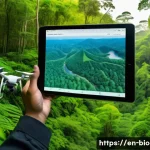
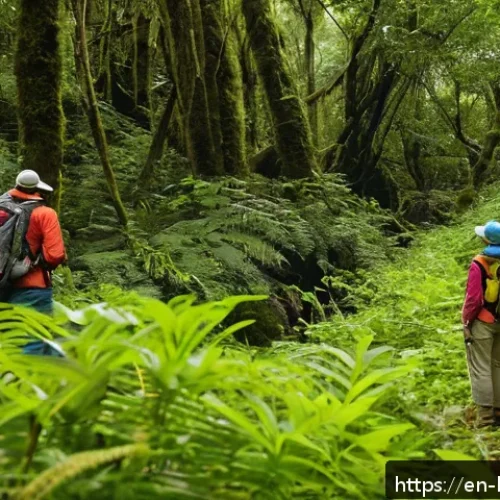
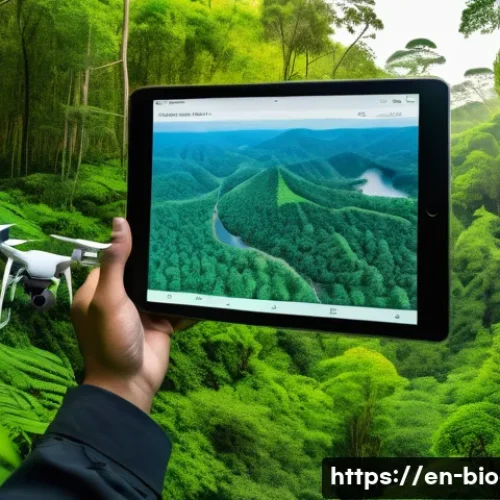
생물다양성 보전 직무에 필요한 기술 - A detailed scene of a wildlife conservationist using a high-tech drone equipped with thermal and mul...

Protecting biodiversity is more critical than ever as ecosystems face unprecedented challenges from climate change, habitat loss, and pollution. To effectively conserve the rich variety of life on Earth, professionals in this field need a diverse set of skills—from ecological research and data analysis to community engagement and policy advocacy.

생물다양성 보전 직무에 필요한 기술 관련 이미지 1

These capabilities help ensure that conservation efforts are scientifically sound and socially inclusive. Having hands-on experience with modern technologies like GIS mapping and remote sensing also plays a vital role in tracking species and habitats.

If you’re curious about what technical skills truly make a difference in biodiversity conservation, let’s dive deeper into the details below!

Mastering Data Tools for Wildlife Monitoring

Leveraging GIS for Habitat Mapping

GIS (Geographic Information Systems) has become an indispensable tool in biodiversity conservation. From my own experience working on habitat restoration projects, GIS enables professionals to visualize complex spatial data that would be impossible to interpret otherwise.

It helps track changes in land use, identify critical habitats, and predict areas at risk due to human activities or climate shifts. The ability to overlay multiple layers—such as vegetation types, water sources, and human settlements—provides a comprehensive picture that supports strategic planning.

Learning GIS software like ArcGIS or QGIS, combined with understanding spatial analysis concepts, makes conservation efforts more targeted and effective.

Remote Sensing: Eyes in the Sky

Remote sensing technologies, including satellite imagery and drone surveillance, add another dimension to biodiversity monitoring. These tools allow for real-time observation of ecosystems on a large scale, which is particularly useful for tracking migratory patterns or detecting illegal deforestation.

When I participated in a project monitoring endangered species, drones equipped with thermal cameras revealed animal movements in dense forests without disturbing their natural behavior.

Moreover, remote sensing data can be integrated with GIS to create dynamic models that forecast environmental changes. Mastering this technology demands both technical know-how and an understanding of ecological principles.

Data Analysis for Informed Decisions

Collecting data is just the start; interpreting it accurately is what drives impactful conservation policies. Expertise in statistical software like R or Python empowers conservationists to analyze population trends, habitat fragmentation, and species interactions.

I’ve found that hands-on experience with data visualization tools helps communicate complex findings to stakeholders and the public more effectively. For instance, creating clear graphs or interactive dashboards can turn raw numbers into compelling stories that galvanize community support or influence policymakers.

In this field, analytical skills bridge the gap between science and actionable strategies.

Advertisement

Building Bridges with Communities

Effective Communication and Outreach

Conservation isn’t just about science; it’s deeply rooted in people’s values and behaviors. Developing strong communication skills is vital for engaging local communities, indigenous groups, and the general public.

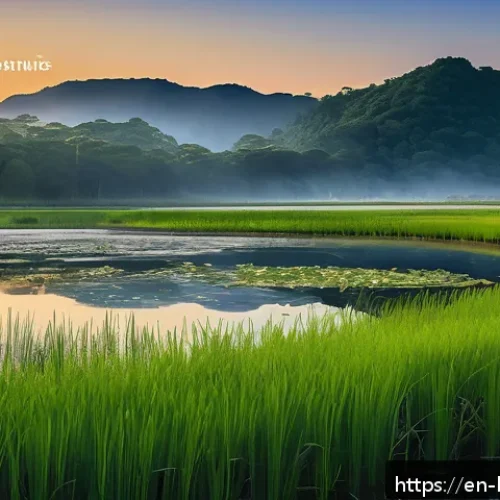
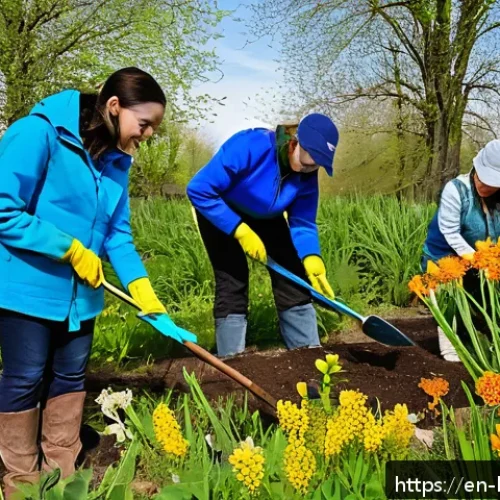
Through workshops, social media campaigns, or storytelling, conservationists can foster a sense of stewardship and shared responsibility. I remember organizing a community event where interactive activities helped residents connect emotionally with nearby wetlands.

Clear, empathetic messaging that respects cultural contexts leads to greater collaboration and long-term success.

Negotiating and Advocacy Skills

Advocating for biodiversity often involves negotiating with various stakeholders—government agencies, landowners, corporations, and NGOs. Knowing how to navigate these relationships and present evidence-based arguments is crucial.

In my experience, effective advocacy hinges on patience, listening skills, and understanding different perspectives. Whether lobbying for protected areas or sustainable land use policies, conservationists must balance ecological priorities with socio-economic realities.

Training in conflict resolution and public speaking can significantly enhance influence and outcomes.

Incorporating Traditional Knowledge

Indigenous and local knowledge systems offer invaluable insights into ecosystem management. Respectfully integrating this wisdom with scientific approaches enriches conservation strategies.

I’ve witnessed projects where collaboration with indigenous communities led to innovative solutions for managing forest resources sustainably. This process requires cultural sensitivity, openness, and a willingness to learn.

Building trust and ensuring equitable participation are essential for harnessing traditional knowledge in biodiversity protection.

Advertisement

Harnessing Technological Innovations

Using Artificial Intelligence for Species Identification

Artificial intelligence (AI) is revolutionizing how we identify and monitor species. Machine learning algorithms can analyze camera trap photos or acoustic recordings faster and more accurately than humans.

From personal experience, AI-based apps have saved countless hours in fieldwork by automating species recognition, allowing conservationists to focus on interpretation and action.

Understanding AI basics and being able to collaborate with tech developers enables conservationists to customize tools that fit their specific needs.

Mobile Apps for Field Data Collection

Mobile technology has transformed data gathering in remote areas. Apps designed for biodiversity recording make it easier to collect, store, and share observations in real-time.

When I first used these apps during a rainforest survey, the seamless integration with cloud databases accelerated data processing and improved accuracy.

Familiarity with popular platforms like iNaturalist or eBird and the ability to troubleshoot technical issues in the field are invaluable skills for modern conservationists.

Blockchain for Transparent Conservation Funding

While still emerging, blockchain technology offers promising solutions for tracking conservation funding and ensuring transparency. Projects using blockchain can provide donors and communities with verifiable records of how funds are allocated and spent.

Although I haven’t worked directly with blockchain in conservation, following developments in this area is important for anyone interested in innovative finance mechanisms that increase trust and accountability.

Advertisement

Understanding Policy and Legal Frameworks

Interpreting Environmental Legislation

A solid grasp of environmental laws and regulations is critical for designing and implementing conservation projects that comply with legal standards.

Having navigated permitting processes and environmental impact assessments myself, I know how complex and nuanced these requirements can be. Knowledge of international agreements like the Convention on Biological Diversity, as well as national statutes, empowers conservationists to advocate effectively and avoid costly legal pitfalls.

Influencing Policy through Science

생물다양성 보전 직무에 필요한 기술 관련 이미지 2

Translating scientific findings into policy recommendations demands clear communication and strategic framing. I’ve seen firsthand how well-prepared reports and presentations can sway decision-makers towards stronger biodiversity protections.

Collaborating with policymakers requires understanding their priorities and constraints, then tailoring messages that resonate without compromising scientific integrity.

Building these skills often involves interdisciplinary training and continuous engagement with governance processes.

Monitoring Compliance and Enforcement

Ensuring that conservation laws are enforced is as important as drafting them. Skills in monitoring compliance—through field inspections, remote sensing, or community reporting—help detect violations early.

My involvement in enforcement monitoring highlighted the challenges of balancing resource constraints with the need for thorough oversight. Developing partnerships with law enforcement, NGOs, and local communities enhances effectiveness in this arena.

Advertisement

Nurturing Ecological Research Expertise

Designing Robust Field Studies

Careful planning of ecological research is foundational to generating reliable data. Crafting sound hypotheses, selecting appropriate sampling methods, and ensuring replicability require both theoretical knowledge and practical experience.

I recall designing a study on pollinator diversity that demanded balancing scientific rigor with logistical realities in the field. Mastery in this area strengthens the credibility and impact of conservation science.

Applying Statistical and Modeling Techniques

Beyond data collection, applying sophisticated statistical models helps uncover patterns and predict future trends. Techniques such as population viability analysis or species distribution modeling are powerful tools I’ve used to assess extinction risks or habitat suitability.

Proficiency in these methods allows conservationists to move from descriptive studies to predictive and prescriptive science, informing proactive management.

Publishing and Sharing Research Findings

Disseminating research through peer-reviewed journals, conferences, and public platforms is essential for advancing knowledge and influencing practice.

I’ve learned that writing clear, compelling papers and engaging presentations increases the reach and impact of scientific work. Furthermore, embracing open science principles and data sharing fosters collaboration and accelerates conservation progress.

Advertisement

Developing Project Management and Leadership Abilities

Coordinating Multidisciplinary Teams

Biodiversity conservation projects often involve experts from diverse fields. Leading such teams requires strong organizational skills, empathy, and the ability to integrate different perspectives.

From my experience managing field teams, fostering open communication and clearly defining roles boosts efficiency and morale. Learning project management methodologies and tools can greatly enhance these leadership capabilities.

Budgeting and Resource Allocation

Effective conservation depends on making the most of limited financial and human resources. I’ve had to develop detailed budgets, track expenditures, and adjust plans based on funding changes.

Being proficient in financial planning software and understanding donor requirements ensures transparency and sustainability. These skills are critical for maintaining trust with funders and stakeholders.

Evaluating Project Impact

Assessing whether conservation initiatives achieve their goals involves designing monitoring frameworks and analyzing outcomes. I’ve found that continuous evaluation allows for adaptive management, improving results over time.

Learning to balance qualitative and quantitative indicators, and reporting findings in accessible formats, enhances accountability and supports future funding.

Skill Area Key Tools/Techniques Benefits Example Use Case
Spatial Analysis GIS (ArcGIS, QGIS), Remote Sensing Precise habitat mapping, trend visualization Identifying deforestation hotspots for targeted intervention
Data Analytics R, Python, Data Visualization Tools Informed decision-making, trend prediction Analyzing population decline in endangered species
Community Engagement Workshops, Social Media, Storytelling Building support, fostering stewardship Mobilizing local communities to protect wetlands
Policy & Legal Knowledge Environmental Laws, International Conventions Compliance, effective advocacy Securing protected status for critical habitats
Technological Innovation AI, Mobile Apps, Blockchain Efficient monitoring, transparency in funding Using AI to identify species from camera trap images
Project Management Budgeting Software, Monitoring Frameworks Resource optimization, impact evaluation Managing multidisciplinary conservation projects
Advertisement

Conclusion

Mastering the diverse range of data tools and skills is essential for effective wildlife monitoring and conservation. Combining technology with community engagement and policy understanding creates a well-rounded approach that drives real impact. Drawing from practical experience, it’s clear that continuous learning and collaboration are key to protecting biodiversity in today’s complex world.

Advertisement

Useful Information to Know

1. GIS and remote sensing technologies allow for detailed habitat mapping and real-time ecosystem monitoring, crucial for targeted conservation efforts.

2. Data analysis skills using software like R and Python help turn raw data into actionable insights for better decision-making.

3. Engaging local communities through clear communication and cultural respect fosters long-term support and stewardship.

4. Understanding environmental laws and policies strengthens advocacy and ensures compliance in conservation projects.

5. Emerging technologies such as AI and blockchain are transforming species identification and funding transparency, enhancing efficiency and trust.

Advertisement

Key Takeaways

To succeed in wildlife conservation, it’s vital to integrate advanced technological tools with strong community relationships and policy knowledge. Hands-on experience in data analysis, field research, and project management enhances effectiveness and credibility. Embracing innovation while respecting traditional knowledge builds a comprehensive strategy that addresses both ecological and social dimensions of biodiversity protection. Ultimately, adaptability and clear communication underpin lasting conservation success.

Frequently Asked Questions (FAQ) 📖

Q: What technical skills are most important for someone working in biodiversity conservation?

A: The most crucial technical skills include proficiency in GIS mapping and remote sensing technologies, which allow conservationists to monitor habitats and track species effectively.
Additionally, strong data analysis capabilities help interpret ecological data for informed decision-making. Knowledge of ecological research methods and the ability to use statistical software also come in handy.
From my experience, combining these technical skills with hands-on fieldwork creates a powerful foundation for impactful conservation work.

Q: How does community engagement contribute to successful biodiversity conservation?

A: Community engagement is essential because conservation efforts often require local support and participation to succeed. Building trust and educating communities about the importance of biodiversity helps foster stewardship and sustainable practices.
In projects I’ve been involved with, actively involving local people not only improved outcomes but also ensured that conservation measures respected cultural values and addressed real-world needs, making the initiatives much more effective and lasting.

Q: Why is policy advocacy a necessary skill for biodiversity professionals?

A: Policy advocacy is key because many conservation challenges stem from laws and regulations that need improvement or enforcement. Being able to communicate scientific findings clearly to policymakers and stakeholders helps influence decisions that protect ecosystems.
From what I’ve seen, professionals who can navigate policy environments and advocate persuasively often secure funding and legal protections crucial for long-term conservation success.
This skill bridges the gap between science and real-world impact.

📚 References


➤ Link

– Google Search

➤ Link

– Bing Search

➤ Link

– Google Search

➤ Link

– Bing Search

➤ Link

– Google Search

➤ Link

– Bing Search

➤ Link

– Google Search

➤ Link

– Bing Search

➤ Link

– Google Search

➤ Link

– Bing Search

➤ Link

– Google Search

➤ Link

– Bing Search

➤ Link

– Google Search

➤ Link

– Bing Search
Advertisement