Unlocking Career Growth in Biodiversity Conservation: Essential Skills and Pathways for Experts

webmaster

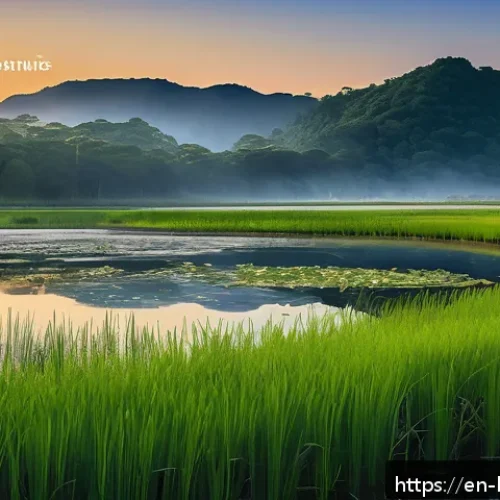
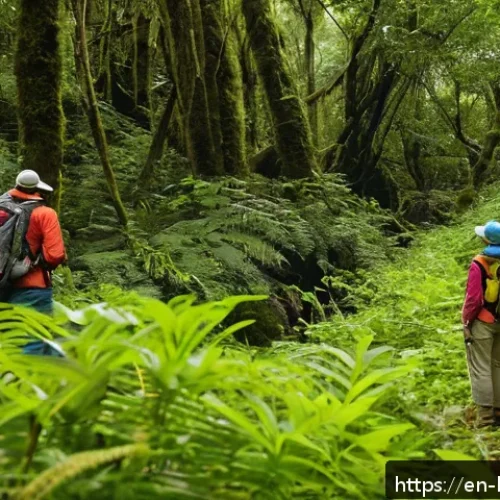
생물다양성 보전 전문가 경력 개발 - A detailed scene of a biodiversity conservation fieldwork setting during daylight, showing a diverse...

In today’s rapidly changing world, biodiversity conservation has become more crucial than ever, with climate change and habitat loss accelerating global challenges.

생물다양성 보전 전문가 경력 개발 관련 이미지 1

For professionals passionate about making a tangible impact, understanding the key skills and career pathways in this field can unlock exciting growth opportunities.

Whether you’re just starting out or looking to advance your expertise, knowing how to navigate this evolving landscape is essential. In this post, we’ll explore practical strategies and insights to help you thrive as a biodiversity conservation expert.

Stick around if you’re eager to turn your passion into a meaningful career!

Mastering Essential Skills for Biodiversity Conservation

Understanding Ecological Principles and Field Techniques

Gaining a deep grasp of ecological concepts is the foundation for anyone serious about biodiversity conservation. From species interactions to ecosystem dynamics, knowing how living organisms coexist and adapt is crucial.

In practice, this means being comfortable with fieldwork methods such as species identification, habitat assessment, and data collection techniques like transect surveys or camera trapping.

I remember when I first started, struggling with accurate species ID; it took repeated field sessions and mentorship to build that confidence. These core skills not only improve your technical competence but also enhance your ability to interpret complex environmental data effectively.

Data Analysis and Geographic Information Systems (GIS)

In today’s data-driven world, the ability to analyze ecological data and visualize spatial patterns can make or break your conservation projects. GIS tools allow you to map habitats, track species distributions, and model environmental changes over time.

Learning software like ArcGIS or QGIS can open doors to more strategic decision-making roles. I found that combining field data with GIS analyses gave me a powerful storytelling tool to communicate conservation needs to stakeholders.

This skill set also boosts your employability, as many organizations prioritize candidates who can transform raw data into actionable insights.

Communication and Stakeholder Engagement

Conservation work rarely happens in isolation. Whether you’re collaborating with local communities, government agencies, or NGOs, strong communication skills are essential.

This includes writing clear reports, delivering compelling presentations, and facilitating discussions that balance ecological goals with social realities.

I’ve seen firsthand how engaging storytelling and active listening can build trust and foster partnerships that lead to more sustainable conservation outcomes.

Investing time in developing these interpersonal skills will make you an invaluable asset in multi-disciplinary teams.

Advertisement

Building a Career Path in Conservation Science

Exploring Diverse Roles and Sectors

The biodiversity conservation field is vast, offering opportunities in research, policy, project management, and education. You might find yourself working as a field biologist conducting surveys, a conservation planner designing protected areas, or an environmental advocate influencing legislation.

Many conservationists also work within international organizations or local NGOs, each bringing unique challenges and learning experiences. When I transitioned from research to a more policy-oriented role, I realized how broad this field truly is and how critical it is to identify where your passion and skills align.

Education and Certification Pathways

Formal education remains a significant stepping stone, with degrees in biology, environmental science, or ecology forming the base. However, certifications like the Certified Ecologist or specialized GIS courses can differentiate you in a competitive job market.

Professional development workshops and internships provide hands-on experience that is often more valuable than classroom learning alone. I recommend seeking out volunteer opportunities early on; they not only build your resume but also help you network within the conservation community.

Networking and Mentorship Opportunities

Building connections with experienced conservation professionals can accelerate your career growth. Attending conferences, joining professional societies like the Society for Conservation Biology, and engaging in online forums are great ways to meet mentors and peers.

I recall how a chance meeting at a workshop led to my first paid project, underscoring the importance of being proactive in networking. Mentorship offers guidance on career decisions, technical skills, and even emotional support during challenging projects, making it an indispensable resource.

Advertisement

Leveraging Technology and Innovation in Conservation

Remote Sensing and Drone Applications

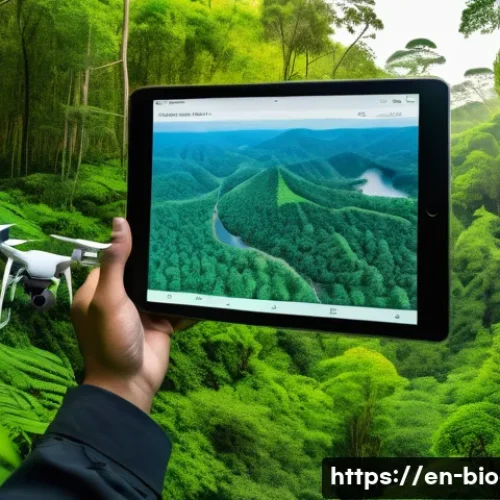
Emerging technologies like satellite imagery and drones are revolutionizing biodiversity monitoring. They provide high-resolution data on habitat changes and wildlife movement without disturbing sensitive ecosystems.

I’ve personally used drones to survey inaccessible wetlands, and the precision and efficiency they bring are game-changing. Staying updated on these tools and gaining proficiency can significantly enhance your conservation strategies and open up specialized career niches.

Citizen Science and Mobile Apps

Citizen science projects are expanding the reach of biodiversity data collection by involving the public through mobile applications. Platforms like iNaturalist empower enthusiasts to contribute observations that scientists can use for large-scale analyses.

Participating or managing such projects can improve your project management skills and community engagement experience. I’ve noticed how citizen involvement not only enriches data quality but also raises public awareness and support for conservation initiatives.

Integrating Artificial Intelligence in Biodiversity Monitoring

AI-driven tools, such as automated image recognition and predictive modeling, are becoming indispensable in analyzing large ecological datasets. These innovations reduce manual workload and increase accuracy in species identification and threat assessment.

Learning to work alongside AI technologies can boost your efficiency and analytical capabilities. From my experience, embracing AI does not replace field expertise but complements it by highlighting patterns that might otherwise be overlooked.

Advertisement

Navigating Funding and Project Management Challenges

Understanding Grant Writing and Fundraising

Securing funding is often one of the toughest hurdles in conservation work. Developing strong grant writing skills can dramatically improve your chances of obtaining support for projects.

This involves crafting compelling proposals that clearly articulate objectives, methodologies, and expected outcomes. I’ve spent countless hours refining grant applications, learning that clarity and passion resonate more than technical jargon.

Additionally, exploring diverse funding sources—from government agencies to private foundations—can provide a more stable financial base.

Effective Project Planning and Monitoring

Successful conservation initiatives require meticulous planning and ongoing evaluation. This means setting realistic goals, timelines, and budgets, alongside measurable indicators of success.

I found using project management tools like Trello or Asana invaluable for keeping teams aligned and tasks on track. Regular monitoring allows you to adapt strategies based on real-time feedback, increasing the likelihood of positive ecological impacts.

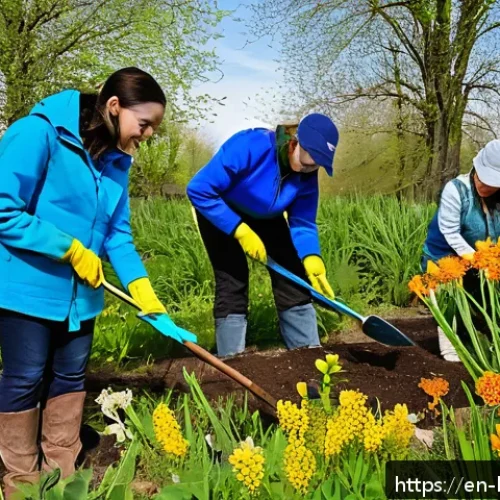
생물다양성 보전 전문가 경력 개발 관련 이미지 2

Mastering these skills ensures your projects not only start strong but also deliver lasting results.

Building Collaborative Partnerships

Partnerships with local communities, governments, and private sectors can leverage resources and expertise, making conservation efforts more impactful.

Effective collaboration demands negotiation skills, cultural sensitivity, and a willingness to find common ground. In one of my projects, involving indigenous groups early on led to a shared stewardship model that boosted both biodiversity and community livelihoods.

Learning to navigate these relationships is key to sustainable conservation success.

Advertisement

Enhancing Impact Through Policy and Advocacy

Understanding Environmental Laws and Regulations

A solid grasp of environmental policies at local, national, and international levels is vital for driving conservation agendas. Knowing how laws protect species and habitats helps you design projects that comply with regulations and influence policy development.

Early in my career, I worked alongside legal experts to integrate conservation goals into land-use planning, which was a steep learning curve but extremely rewarding.

Staying informed about policy changes allows you to anticipate challenges and advocate effectively.

Developing Advocacy and Campaigning Skills

Advocacy involves raising public awareness and influencing decision-makers to adopt biodiversity-friendly policies. This requires skills in media communication, public speaking, and coalition-building.

I remember organizing community events that successfully pushed for local wetland protections, proving how grassroots advocacy can drive real change. Crafting clear, persuasive messages tailored to different audiences enhances your ability to mobilize support and achieve conservation goals.

Engaging with International Conservation Frameworks

Many biodiversity issues cross borders, making international cooperation essential. Familiarity with global agreements like the Convention on Biological Diversity or CITES broadens your perspective and opens opportunities for collaboration.

Participating in international forums or contributing to multinational projects can elevate your career and impact. I found that understanding these frameworks helped me align local efforts with broader conservation priorities, creating more cohesive strategies.

Advertisement

Developing Personal Resilience and Lifelong Learning

Managing Emotional Challenges in Conservation Work

Conservation often involves facing setbacks, from project failures to witnessing environmental degradation. Building emotional resilience is crucial to sustain long-term commitment.

I’ve learned that sharing experiences with peers and practicing self-care help navigate the emotional ups and downs. Recognizing the emotional aspect of conservation work makes you a more empathetic and effective professional.

Commitment to Continuous Skill Development

The field is constantly evolving, so staying curious and adaptable is key. Attending workshops, online courses, and reading scientific literature keeps your knowledge fresh and relevant.

Personally, dedicating time each month to learning new techniques or theories has made me more confident and innovative in my work. This mindset not only benefits your career but also the ecosystems you strive to protect.

Balancing Fieldwork and Administrative Duties

Many conservation roles require juggling hands-on field activities with office-based tasks such as reporting and budgeting. Finding a healthy balance can be challenging but is essential to maintain productivity and job satisfaction.

I found setting clear daily priorities and using time management strategies helped me handle this duality effectively. Understanding your workflow and energy levels allows you to contribute fully without burning out.

Skill Area Key Competencies Typical Tools/Resources Career Impact
Ecological Knowledge Species ID, habitat assessment, field techniques Field guides, GPS devices, survey equipment Foundation for research and monitoring roles
Data & GIS Spatial analysis, data visualization, modeling ArcGIS, QGIS, R, Python Enhances strategic planning and decision-making
Communication Report writing, presentations, stakeholder engagement MS Office, storytelling frameworks, social media Builds partnerships and advocacy success
Project Management Grant writing, planning, monitoring, budgeting Trello, Asana, grant databases Ensures project sustainability and funding
Technology Remote sensing, AI, drone operation Drones, satellite imagery platforms, AI software Improves monitoring accuracy and efficiency
Advertisement

Conclusion

Mastering the essential skills in biodiversity conservation equips you to make a meaningful impact on protecting our natural world. Combining ecological knowledge with technology, communication, and project management creates a well-rounded professional ready to tackle complex challenges. Continuous learning and resilience are key to sustaining a fulfilling career in this dynamic field. Embrace these competencies to drive real change for biodiversity and communities alike.

Advertisement

Useful Information to Know

1. Developing strong field skills like species identification and habitat assessment lays the groundwork for effective conservation efforts.

2. Proficiency in GIS and data analysis enhances your ability to visualize and interpret environmental patterns, making your work more strategic.

3. Building communication and stakeholder engagement skills fosters trust and collaboration essential for successful projects.

4. Familiarity with emerging technologies such as drones and AI can greatly improve monitoring accuracy and efficiency.

5. Effective project management, including grant writing and partnership building, is crucial to securing funding and sustaining initiatives.

Advertisement

Key Takeaways

Strong ecological understanding combined with technological skills and interpersonal abilities forms the backbone of successful biodiversity conservation. Emphasizing continuous professional growth and emotional resilience helps navigate the field’s challenges. Collaborative partnerships and clear communication amplify impact, while strategic project management ensures long-term success. Integrating these elements prepares you to contribute meaningfully to preserving biodiversity in an ever-changing world.

Frequently Asked Questions (FAQ) 📖

Q: uestionsQ1: What essential skills should I develop to succeed in a biodiversity conservation career?

A: To thrive in biodiversity conservation, focus on building strong skills in ecological research, data analysis, and GIS mapping. Communication is equally vital—being able to convey complex scientific information to diverse audiences can set you apart.
Hands-on experience with fieldwork and familiarity with environmental policies also enhance your effectiveness. From my own journey, combining technical expertise with storytelling made a huge difference in influencing conservation efforts.

Q: What career paths are available for someone passionate about biodiversity conservation?

A: The field offers a variety of rewarding paths including roles in wildlife management, conservation policy, environmental education, and restoration ecology.
You might find yourself working with NGOs, government agencies, or private sector firms focusing on sustainability. Personally, I found that starting in field research opened doors to policy advisory positions later on, demonstrating how versatile and dynamic this career can be.

Q: How can I stay updated with the latest trends and advancements in biodiversity conservation?

A: Staying current requires a mix of continuous learning and networking. Subscribing to reputable journals, attending conferences, and joining professional groups are invaluable.
Social media platforms and webinars offer accessible ways to engage with thought leaders and emerging research. I’ve found that dedicating time weekly to these activities not only expands knowledge but also inspires innovative approaches in my own work.

📚 References


➤ Link

– Google Search

➤ Link

– Bing Search

➤ Link

– Google Search

➤ Link

– Bing Search

➤ Link

– Google Search

➤ Link

– Bing Search

➤ Link

– Google Search

➤ Link

– Bing Search

➤ Link

– Google Search

➤ Link

– Bing Search

➤ Link

– Google Search

➤ Link

– Bing Search

➤ Link

– Google Search

➤ Link

– Bing Search
Advertisement