In recent years, the urgent call to protect our planet’s biodiversity has never been louder. From vanishing habitats to endangered species, the challenges are real—and so are the opportunities for hands-on action.

If you’ve ever wondered how individual efforts can spark meaningful change, you’re in the right place. Today, we dive into real-world conservation experiences that go beyond theory, showing how everyday people are making a tangible difference.
Stick around to discover inspiring stories and practical ways you can join the movement to safeguard our natural world.
Community-Led Habitat Restoration: Breathing Life Back Into Local Ecosystems
Understanding the Power of Local Action
When you think about saving biodiversity, the scale might seem overwhelming. But the truth is, communities stepping up to restore habitats right in their backyards can create ripples of change.
I’ve seen firsthand how neighborhood groups rallying to plant native species or clean up waterways not only improve local wildlife health but also foster a strong sense of stewardship.
These efforts often start small—maybe a few volunteers removing invasive plants—but they multiply as awareness spreads. What’s truly inspiring is how these local actions connect people with nature, making conservation personal and urgent.
Hands-On Restoration Techniques You Can Try
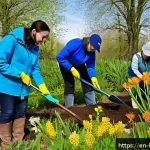
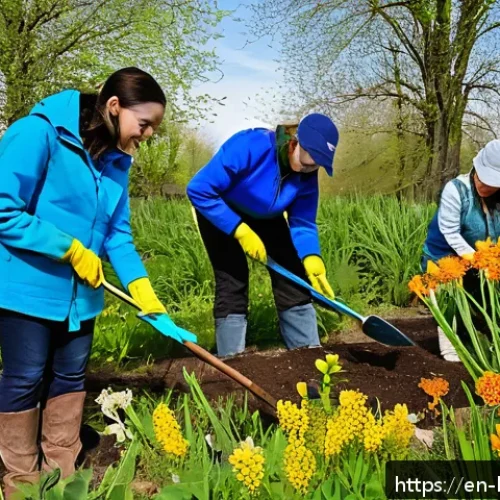
Getting your hands dirty can be incredibly rewarding. Techniques like reforestation, wetland creation, or even backyard bird habitat setup aren’t just buzzwords—they’re practical steps anyone can take.
For example, planting native trees and shrubs provides food and shelter for pollinators and birds, helping to rebuild fragmented ecosystems. In my experience volunteering for a local reforestation project, I noticed how each seedling planted symbolized hope, not just for the environment but for community resilience as well.
Plus, these activities are perfect for all ages, making conservation a family-friendly endeavor.
Measuring Impact: Tracking Progress Over Time
One challenge in conservation is knowing if your efforts really make a difference. Tracking biodiversity recovery involves monitoring species presence, habitat quality, and ecosystem functions.
I’ve worked with groups using simple tools like bird counts, insect surveys, or plant growth tracking to gather data. This hands-on science makes the process tangible and rewarding.
It also builds skills and empowers participants to advocate for ongoing support. Over time, seeing an increase in native species or healthier waterways is proof that grassroots action counts.
Citizen Science: Turning Passion Into Data That Drives Change
Joining Forces with Researchers
Citizen science projects have revolutionized how conservation data is collected. By contributing observations of wildlife or environmental conditions, everyday people help scientists fill gaps in knowledge that would be impossible to cover alone.
I’ve personally contributed to bird migration tracking apps, and it’s thrilling to know that my simple sightings feed into global databases influencing conservation policies.
This collaboration blurs the lines between amateur nature lovers and professional researchers, creating a powerful network for biodiversity monitoring.
Popular Citizen Science Platforms and How to Get Started
Platforms like eBird, iNaturalist, and FrogWatch USA offer accessible ways to dive into citizen science. Getting started is as easy as snapping a photo of a plant or bird and uploading it with a location tag.
I remember feeling a real sense of accomplishment the first time my observation helped confirm the presence of a rare butterfly species in my city. These platforms also offer tutorials, community forums, and challenges that keep participants engaged and motivated.
Plus, the social aspect often leads to new friendships grounded in a shared love for nature.
Transforming Data Into Conservation Wins
The data collected through citizen science is more than numbers—it’s a catalyst for real-world conservation. For example, widespread reports of declining pollinator sightings have spurred initiatives to plant pollinator-friendly gardens and reduce pesticide use.
I’ve seen local governments adopt policies directly influenced by citizen-generated data, such as creating protected areas or restoring wetlands. Knowing that your everyday observations can help shape environmental decisions adds a powerful sense of purpose to the activity.
Wildlife Monitoring and Rescue: Compassion in Action
Volunteering with Wildlife Rehabilitation Centers
Hands-on experience with wildlife rehabilitation opens a window into the challenges facing injured or displaced animals. I volunteered at a rehab center where I helped feed and care for orphaned birds and mammals.
It was emotional work but deeply fulfilling. The process of nursing animals back to health before releasing them back into the wild is a beautiful example of direct intervention that supports biodiversity.
These centers also play an educational role, raising public awareness about human impacts on wildlife.
Tracking Wildlife Populations in Your Area
Monitoring local wildlife populations helps identify trends and threats early. Whether through camera traps, tracking footprints, or night-time frog calls, volunteers provide vital data that informs conservation priorities.
I recall setting up a camera trap along a trail and being amazed to capture footage of elusive foxes and owls. These moments remind us of the rich biodiversity often hiding in plain sight.
Sharing these findings with local conservation groups can help trigger protective measures.
Responding to Wildlife Emergencies
From roadkill rescues to oil spill cleanups, immediate responses to wildlife emergencies are crucial. Being trained in basic wildlife first aid or rescue protocols equips volunteers to act effectively.
I once assisted in relocating a turtle trapped in a busy urban area to a safer wetland. Such interventions not only save individual animals but also contribute to the overall health of populations.
Encouraging local communities to develop rapid-response teams creates a safety net for vulnerable species.
Educating and Inspiring the Next Generation of Conservationists
Creating Engaging Nature Programs for Youth
Involving young people in conservation through hands-on programs fosters lifelong environmental stewardship. I helped organize nature camps where kids learned about native plants, animal tracking, and the importance of clean water.
Watching their curiosity spark and grow into genuine concern for wildlife was incredibly rewarding. These programs often blend fun activities with science, making learning approachable and memorable.

Using Storytelling to Connect People with Nature
Stories are powerful tools for inspiring action. Sharing personal experiences, local legends, or the journeys of endangered species helps people relate emotionally to conservation issues.
I’ve found that storytelling—whether through blogs, social media, or community talks—builds empathy and motivates change. It transforms abstract concepts into relatable narratives that resonate deeply.
Building Partnerships with Schools and Local Organizations
Collaboration multiplies impact. Partnering with schools, libraries, and nonprofits enables wider reach and resource sharing. I’ve seen successful projects where schools integrate biodiversity topics into their curriculum, complemented by field trips and citizen science projects.
These partnerships create supportive ecosystems for conservation education, nurturing informed and passionate future advocates.
Everyday Choices That Make a Big Difference
Supporting Sustainable Products and Practices
Conservation isn’t limited to wilderness areas; it starts with mindful consumption. Choosing sustainably sourced products, reducing plastic use, and supporting companies with strong environmental policies all contribute to biodiversity protection.
I switched to organic, locally sourced food and noticed not only a positive impact on local farms but also a personal health boost. These choices create demand for better practices and help preserve habitats.
Creating Wildlife-Friendly Spaces at Home
Even small urban yards or balconies can become havens for pollinators and birds. Planting native flowers, providing water sources, and avoiding pesticides create mini sanctuaries.
I transformed my backyard into a pollinator garden and was thrilled to see bees, butterflies, and hummingbirds visit regularly. This direct interaction with nature enriches daily life and strengthens conservation commitment.
Advocating for Policy Change Through Everyday Actions
Individual voices matter in shaping environmental policy. Writing to representatives, participating in local planning meetings, or supporting conservation campaigns amplifies impact.
I recall joining a city council meeting to advocate for green space preservation, which led to the protection of a nearby wetland. Knowing that ordinary citizens can influence policy is empowering and essential for large-scale biodiversity conservation.
Tools and Technologies Empowering Conservation Efforts
Using Mobile Apps for Biodiversity Tracking
Technology has opened new frontiers for conservation participation. Apps designed for species identification, data submission, and habitat mapping make involvement accessible and efficient.
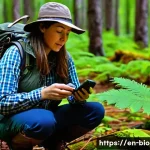
I often use an app to identify unknown plants during hikes, which adds an educational layer to outdoor experiences. These tools also aggregate data in real time, speeding up conservation responses.
Leveraging Drones and Remote Sensing
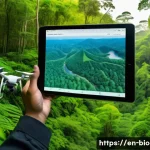
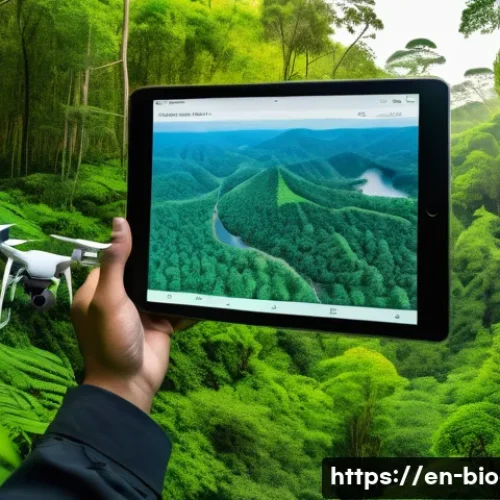
Advanced technologies like drones provide valuable aerial perspectives on habitat conditions and wildlife movements. While not everyone can operate drones, community groups often collaborate with researchers who do.
I observed a drone survey of a coastal marsh that revealed erosion hotspots, guiding restoration efforts. Such innovations enhance our ability to monitor and protect biodiversity at larger scales.
Data Visualization and Storytelling Platforms
Communicating complex data clearly is vital for advocacy and education. Platforms that transform data into interactive maps or visual stories help engage diverse audiences.
I’ve contributed to projects where local biodiversity trends were visualized for community meetings, sparking lively discussions and new initiatives. Effective storytelling through data strengthens conservation campaigns by making information accessible and compelling.
| Conservation Activity | Key Benefits | Tools/Resources Needed | Who Can Participate |
|---|---|---|---|
| Habitat Restoration | Improves ecosystem health, supports native species | Native plants, gardening tools, volunteer groups | All ages, community members |
| Citizen Science | Provides valuable data, connects public with research | Smartphone apps (eBird, iNaturalist), internet access | Anyone with a smartphone and curiosity |
| Wildlife Monitoring | Tracks species trends, informs management | Camera traps, notebooks, basic training | Volunteers with interest in wildlife |
| Wildlife Rescue | Saves individual animals, raises awareness | First aid training, collaboration with rehab centers | Trained volunteers, wildlife enthusiasts |
| Education Programs | Nurtures future conservationists | Curriculum materials, outdoor spaces, educators | Teachers, parents, youth leaders |
| Everyday Choices | Reduces ecological footprint, supports sustainable markets | Access to sustainable products, knowledge | Consumers, households |
| Technology Use | Enhances data collection and communication | Mobile apps, drones, visualization tools | Tech-savvy volunteers, researchers |
In Conclusion
Community-driven conservation efforts have the power to restore ecosystems and foster lasting connections with nature. By engaging in hands-on restoration, citizen science, and wildlife care, individuals contribute meaningfully to biodiversity preservation. These local actions not only protect wildlife but also inspire collective responsibility and hope for a healthier planet.
Useful Information to Remember
1. Small local efforts in habitat restoration can lead to significant ecological improvements and community bonding.
2. Citizen science platforms make it easy for anyone to contribute valuable data that supports global conservation.
3. Wildlife monitoring and rescue require dedication but offer rewarding experiences and tangible benefits for animal populations.
4. Educating youth through interactive programs nurtures future environmental stewards with a deep connection to nature.
5. Everyday sustainable choices and technology tools empower individuals to support conservation in practical and impactful ways.
Key Takeaways
Effective conservation thrives when communities actively participate in restoration and monitoring activities, combining passion with practical tools. Engaging diverse groups—from children to tech enthusiasts—strengthens efforts and ensures sustainability. Remember, every small action counts, and by working together, we can create resilient ecosystems and foster a culture of stewardship that benefits both people and wildlife.
Frequently Asked Questions (FAQ) 📖
Q: How can individual actions truly impact biodiversity conservation?
A: It might sound surprising, but individual efforts can ripple out to create significant change. For example, choosing to support local wildlife-friendly gardening, reducing single-use plastics, or participating in community clean-ups directly improve habitats and reduce pollution.
From my own experience volunteering in habitat restoration projects, I’ve seen how small acts like planting native species not only help local animals but also inspire others to get involved.
When multiplied by thousands of people, these efforts build momentum that can influence policy and corporate practices, proving that every person’s commitment matters.
Q: What are some practical ways I can get involved in protecting endangered species?
A: Getting started doesn’t require specialized skills or large budgets. You can begin by supporting reputable wildlife organizations through donations or volunteering.
Another effective step is advocating for conservation-friendly policies by contacting your local representatives or participating in awareness campaigns.
On a day-to-day level, making mindful consumer choices—like buying sustainably sourced products or avoiding items made from threatened animals—can reduce demand that harms species.
Personally, I’ve found that joining citizen science projects, such as bird counts or monitoring local wildlife, provides a fulfilling way to contribute while learning more about the species at risk.
Q: How do conservation efforts balance protecting habitats while accommodating human development?
A: This is one of the biggest challenges, but it’s not impossible. Successful conservation often involves collaborative planning where communities, developers, and scientists work together to find solutions that preserve critical habitats without halting progress.
For instance, implementing green corridors or setting aside protected zones allows wildlife to thrive alongside human activities. In my experience volunteering with local land trusts, I’ve seen how thoughtful zoning and community education foster support for these initiatives.
The key is understanding that long-term economic and social well-being depends on healthy ecosystems, so balancing development with conservation benefits everyone in the end.