Hey there, fellow changemakers! Have you ever found yourself scrolling through job listings, feeling that familiar tug, that deep desire for a career that truly *matters*?

I know I have. In our fast-paced world, it’s easy to feel disconnected, but lately, I’ve noticed a massive wave of passion building for something truly vital: biodiversity conservation.
It’s no longer just for scientists in remote labs; the entire landscape of green careers is expanding at an incredible pace, calling to professionals from all walks of life who want to make a tangible impact.
If you’re pondering a career pivot and dream of contributing to a healthier planet, you might be surprised at how your existing skills – yes, even those seemingly unrelated ones – are more in demand than ever in this booming sector.
We’re seeing a real shift, with new opportunities emerging daily in everything from corporate sustainability to cutting-edge ecological consulting and even leveraging AI for conservation efforts.
It’s an exciting time, filled with purpose and innovation. Ready to find out how you can join this incredible movement and transform your professional journey?
Let’s dive right in and uncover your path.
Unearthing Your Unique Skillset for Green Careers
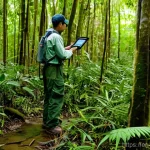
Let’s get real for a moment. When I first started thinking about pivoting into conservation, I had this picture in my head: me, in a safari hat, trudging through a rainforest with a clipboard.
While that’s certainly a part of it for some, the reality of biodiversity conservation careers is so much broader and more accessible than you might think.
The very first step, and honestly, one of the most empowering, is to really dig deep and identify the skills you already possess that are surprisingly transferable.
Think about it: every job requires organization, communication, problem-solving, and often, a touch of creativity. Are you a project manager? Those skills are golden for coordinating conservation initiatives.
A data analyst? The field is hungry for people who can interpret complex ecological data. Marketing guru?
Advocating for endangered species needs powerful storytelling. I’ve seen friends transition from corporate law to environmental policy, and graphic designers find their calling in creating educational materials for wildlife trusts.
It’s about reframing your professional narrative and seeing how your current strengths can be repurposed for purpose. Don’t underestimate the “soft skills” either – things like teamwork, resilience, and adaptability are absolutely crucial when you’re facing complex environmental challenges.
The key is to stop thinking rigidly about job titles and start focusing on the core competencies you bring to the table. This is where you begin to build your bridge from your current path to a greener, more impactful future, and trust me, it’s an incredibly validating exercise.
When I first realized how my writing and communication skills could be leveraged for environmental advocacy, it felt like a lightbulb moment – suddenly, my “unrelated” experience became a superpower.
Reframing Your Professional Story
So, how do you actually do this? Start by listing out all the tasks you perform regularly in your current role. Then, for each task, ask yourself: what underlying skill does this demonstrate?
For instance, if you manage client relationships, you’re showcasing communication, negotiation, and problem-solving abilities. If you optimize website content, you’re demonstrating digital literacy, analytical thinking, and a keen eye for audience engagement.
Once you have this comprehensive list, begin to translate these into the language of conservation. Instead of “managed sales pipeline,” think “developed and maintained stakeholder relationships.” This isn’t about fabricating experience; it’s about articulating your existing strengths in a way that resonates with the conservation sector.
I spent hours dissecting my old resume, cross-referencing my responsibilities with job descriptions for conservation roles, and it was eye-opening how many direct parallels there were once I changed my perspective.
Spotting Unconventional Opportunities
Beyond direct skill transfer, consider how your industry experience itself might be valuable. Are you in finance? Green finance, impact investing, and conservation funding are rapidly growing areas.
In tech? Conservation organizations desperately need help with data management, GIS mapping, AI applications for species monitoring, and app development for citizen science.
Even in manufacturing, expertise in sustainable supply chains or waste reduction is highly sought after. My friend Liam, who used to work in logistics, is now revolutionizing how a wildlife sanctuary manages its resources, reducing their carbon footprint significantly.
It’s truly amazing how diverse the entry points are becoming, and it means your unique background, no matter how niche it seems now, likely has a valuable role to play.
Forging Connections: The Power of Networking in Conservation
You know that old saying, “It’s not what you know, but who you know”? Well, in the world of biodiversity conservation, it’s absolutely both, but the “who” part can really open doors you never even knew existed.
I can’t stress enough how crucial networking is, and I don’t mean stiff, formal events where everyone exchanges business cards reluctantly. I’m talking about genuine connections, fueled by shared passion.
Attending local environmental events, volunteering with a conservation group, or even just reaching out to people on LinkedIn who are doing work you admire – these are all incredibly effective ways to start building your network.
When you connect with someone who’s been in the field for years, you gain invaluable insights into the day-to-day realities, the challenges, and the incredible rewards.
They can tell you about opportunities that aren’t advertised, offer advice on specific skill gaps to address, and even become mentors. I remember feeling so out of my depth at my first conservation conference, but after a few brave conversations, I left feeling energized and with a handful of new contacts who became invaluable resources.
Engaging with the Conservation Community
The conservation community is, by and large, an incredibly welcoming and passionate bunch. Look for local chapters of environmental organizations, wildlife trusts, or even university research groups that host public lectures or workshops.
Online forums and professional groups on platforms like LinkedIn are also fantastic for connecting. Don’t be afraid to send a polite message to someone whose work inspires you, asking for a brief informational interview.
Most people are genuinely happy to share their experiences and offer guidance to someone eager to join the cause. Remember, it’s not about asking for a job directly; it’s about building relationships, learning, and showing your genuine interest and commitment.
When you connect with passion, it’s contagious.
Leveraging Online Platforms and Events
In our increasingly digital world, there are more ways than ever to network from anywhere. Webinars, virtual conferences, and online workshops hosted by environmental NGOs or academic institutions are fantastic.
Not only do you learn about current issues and research, but these platforms often include breakout rooms or Q&A sessions where you can interact with experts and other aspiring conservationists.
Following key organizations and thought leaders on social media can also keep you updated on events and introduce you to relevant discussions. I’ve found some incredible volunteer opportunities and even met future collaborators just by being active and engaged on platforms like Twitter (now X) and specialized forums.
The digital landscape has truly democratized access to the conservation world.
Targeting Your Niche: Exploring Diverse Career Paths
One of the most exciting aspects of the growing green economy is the sheer diversity of career paths opening up in biodiversity conservation. It’s not just field biologists anymore!
From policy-making and advocacy to sustainable business development and cutting-edge tech solutions, there’s a place for almost every professional background.
When I started researching, I was overwhelmed by the options, but slowly, I began to see patterns and areas where my own skills could shine. It’s about finding that sweet spot where your passion for the planet meets your professional strengths.
Do you love working with people? Environmental education, community engagement, or fundraising might be your calling. Are you a wizard with data?
Ecological modeling, GIS analysis, or conservation technology could be perfect. The trick is to explore these niches, understand what they entail, and see which ones truly light a fire in your belly.
The more you explore, the clearer your own unique path will become.
Conservation-Focused Role Examples
| Career Path | Description | Commonly Required Skills |
|---|---|---|
| Ecological Consultant | Advising businesses and governments on environmental impact and sustainable practices for development projects. | Environmental assessment, report writing, regulatory knowledge, project management. |
| GIS Specialist | Using Geographic Information Systems to map, analyze, and visualize ecological data for conservation planning. | GIS software proficiency, data analysis, cartography, remote sensing. |
| Conservation Educator | Developing and delivering educational programs to raise awareness about biodiversity and conservation issues for various audiences. | Public speaking, curriculum development, communication, engagement. |
| Green Marketing & Communications | Promoting sustainable initiatives, products, or conservation projects to the public and stakeholders. | Content creation, digital marketing, PR, storytelling, brand management. |
| Environmental Policy Analyst | Researching and advocating for policies that protect natural resources and biodiversity at local, national, or international levels. | Policy analysis, legal research, advocacy, legislative knowledge, communication. |
The Rise of Conservation Technology and Data Science
It’s impossible to talk about modern conservation without highlighting the massive impact of technology and data science. Drones are monitoring wildlife populations, AI is analyzing camera trap footage, and citizen science apps are collecting vast amounts of data that help us understand ecosystem health.
If you have a background in software development, data analytics, machine learning, or even UX/UI design, your skills are incredibly valuable here. Imagine developing an algorithm that identifies poaching patterns or creating an intuitive app that allows volunteers to log invasive species sightings.
This intersection of tech and conservation is booming, offering incredibly innovative and impactful roles. My friend Mark, a former software engineer, now works for a non-profit creating bespoke solutions for wildlife tracking, and he says it’s the most fulfilling work of his life.
Upskilling and Education: Bridging Knowledge Gaps
Once you’ve identified your transferable skills and perhaps a few niche areas that pique your interest, the next logical step is to consider if there are any knowledge gaps you need to fill.
This doesn’t necessarily mean going back to university for a full-blown degree, though for some, that might be the right path. There’s a whole spectrum of educational opportunities available now, from short online courses and certifications to volunteer programs that offer hands-on experience.
Think about what specific knowledge would make you more competitive or more effective in your desired role. Do you need a better understanding of ecological principles?
Perhaps a course in environmental policy? Or maybe specific software proficiency like GIS? I remember looking at a job posting for a conservation project manager and realizing they wanted someone with basic ecological survey skills.
Instead of despairing, I signed up for a weekend workshop on habitat assessment, and it made all the difference in boosting my confidence and making my application stand out.
Online Courses and Certifications
Platforms like Coursera, edX, and even specialized environmental education providers offer a wealth of courses tailored to conservation. You can find modules on everything from sustainable agriculture and biodiversity monitoring to environmental law and grant writing.
Many of these offer certifications that can be a fantastic way to demonstrate your commitment and acquired knowledge to potential employers without the time and financial commitment of a full degree.
Look for courses developed by reputable universities or conservation organizations. They not only provide valuable content but also connect you with current thinking and practices in the field.
Volunteering and Experiential Learning
Nothing beats hands-on experience, and volunteering is arguably one of the best ways to gain it in conservation. Local nature reserves, wildlife rehabilitation centers, botanical gardens, or even community garden projects often need help.
This isn’t just about giving back; it’s a fantastic way to learn practical skills, understand the operational challenges of conservation work, and expand your network.
You might assist with habitat restoration, species monitoring, data collection, or even administrative tasks, all of which build relevant experience. For those considering a more significant career change, even a few months of dedicated volunteering can provide invaluable insight and a robust entry on your resume, showing genuine dedication.
My own volunteer stint at a local park, helping with invasive species removal, taught me more about practical ecology than any textbook ever could.
Crafting Your Application: Standing Out from the Crowd
You’ve honed your skills, built your network, and perhaps even gained some new certifications. Now comes the exciting part: putting yourself out there!

But applying for conservation jobs isn’t always like applying for traditional corporate roles. It requires a slightly different approach, one that emphasizes your passion, your unique journey, and your understanding of the sector’s specific challenges.
Your resume needs to translate your past experience into conservation-relevant language, and your cover letter needs to be a compelling story of *why* you want to make this pivot.
Don’t just list responsibilities; highlight achievements and quantify them where possible, even if it means creatively framing your impact. Remember, they’re looking for someone who genuinely cares and can bring fresh perspectives, not just a carbon copy of previous employees.
It’s about showing them not just what you *can* do, but what you *will* do for conservation.
Tailoring Your Resume for Impact
Your resume is your first impression, and in the conservation world, it needs to speak their language. Instead of generic bullet points, transform them into statements that resonate with environmental values.
For example, instead of “Managed client accounts,” try “Cultivated stakeholder relationships to drive project success and secure resources for initiatives.” Use keywords from the job description and the organization’s mission statement.
If they emphasize community engagement, make sure your resume highlights any experience you have in that area, even if it was outside of a formal job role, like organizing a neighborhood cleanup or leading a local club.
The goal is to make it abundantly clear how your past experiences directly contribute to the conservation goals of the role.
Writing a Compelling Cover Letter
This is where your authentic voice and passion truly shine. A cover letter for a conservation role should be less about rigid formality and more about storytelling.
Start with a strong opening that immediately conveys your enthusiasm and how your unique background led you to this specific opportunity. Share a brief anecdote or a personal experience that ignited your passion for conservation.
Explain *why* you believe your non-traditional background is an asset, bringing a fresh perspective or diverse skillset that others might not have. Show that you’ve done your homework on the organization and the specific role, demonstrating alignment with their mission.
This isn’t just a formality; it’s your chance to connect on a human level and make them remember you long after they’ve finished reading.
Sustaining Your Impact: Long-Term Growth in the Green Sector
Getting your foot in the door is just the beginning; sustaining your impact and growing your career in biodiversity conservation is an ongoing journey of learning and adaptation.
The environmental landscape is constantly evolving, with new scientific discoveries, policy changes, and technological advancements emerging all the time.
To truly thrive, you need to cultivate a mindset of continuous learning, always seeking out new knowledge and skills. This might involve staying updated on current research, attending professional development workshops, or even pursuing further education down the line.
Beyond formal learning, actively participating in professional networks and mentorship relationships will provide invaluable support and opportunities for advancement.
Remember, conservation is a collective effort, and your long-term success often comes from collaborating with others and continuously refining your approach to complex challenges.
It’s a career path that rewards resilience, ingenuity, and an unwavering commitment to making a difference.
Continuous Learning and Professional Development
The field of biodiversity conservation is dynamic, so standing still isn’t an option. Make it a habit to regularly read scientific journals, conservation news, and policy updates.
Join relevant professional associations; they often offer webinars, workshops, and conferences that are essential for staying current and building your expertise.
Consider learning new software skills, whether it’s advanced data analysis tools or specialized mapping programs, as technology continues to reshape how conservation is done.
Even taking on small, short-term projects that push you out of your comfort zone can be incredible learning experiences. I make it a point to dedicate a few hours each week to reading industry reports, and I’m always amazed at how much new information I uncover that directly applies to my work.
Building Resilience and Advocacy
Working in conservation can be incredibly rewarding, but it can also be challenging. You’ll encounter setbacks, bureaucracy, and sometimes, heartbreaking losses.
Building personal resilience is key to a long and impactful career. Find a support network, whether it’s colleagues, mentors, or even online communities, where you can share experiences and gain perspective.
Beyond your immediate role, consider how you can be an advocate for conservation in broader ways – through public speaking, writing, or simply engaging in thoughtful conversations about environmental issues.
Your voice matters, and the more you use it to champion biodiversity, the greater your long-term impact will be. It’s a marathon, not a sprint, and every small victory contributes to the larger goal.
Financing Your Passion: Navigating Compensation and Funding
Let’s address the elephant in the room: while purpose-driven work is incredibly fulfilling, we all need to pay our bills. Historically, conservation roles sometimes came with the perception of lower salaries compared to the private sector.
However, this is rapidly changing as the green economy expands and the value of environmental expertise becomes more widely recognized. While some non-profit roles might have more modest starting salaries, many organizations offer competitive compensation, especially for specialized skills in areas like data science, environmental law, or sustainable finance.
Furthermore, understanding the funding landscape – from grants and philanthropic donations to government contracts and corporate sustainability budgets – can help you strategically target roles within well-funded initiatives.
It’s important to research salary benchmarks for your target roles and geographical areas, and to remember that overall compensation can often include excellent benefits, a strong work-life balance, and the immeasurable value of working for a cause you believe in.
Don’t undersell your worth, but also be realistic and open to varied compensation models.
Exploring Diverse Funding Streams
Conservation organizations receive funding from a multitude of sources, and understanding these can guide your job search. Many roles in larger, well-established NGOs are funded through substantial grants from foundations or government agencies (like the National Science Foundation or EPA in the US, or various European Union funds).
Corporate sustainability departments often have significant budgets for internal initiatives and external partnerships, creating roles in green business.
Impact investing and green finance are also growing areas, offering opportunities in private sector roles focused on environmentally responsible investments.
Even crowd-funding and individual donations play a huge part, meaning fundraising and development roles are consistently in demand. Knowing where the money flows can help you pinpoint organizations and sectors that are financially robust and offer more stable career prospects.
The Broader Value Proposition of Green Careers
While salary is a factor, many people who transition into conservation find that the overall value proposition extends far beyond monetary compensation.
The sense of purpose, the tangible impact you can see, the camaraderie with like-minded individuals, and often, the opportunity for fieldwork and connection with nature are priceless.
Many green careers offer excellent work-life balance, opportunities for professional growth, and a chance to be part of solving some of the world’s most pressing challenges.
I’ve heard countless stories of people taking a slight pay cut to enter the field, only to find themselves happier, more fulfilled, and ultimately, earning competitive salaries as they gained experience and specialized.
It’s an investment in yourself and the planet, and that, to me, is truly invaluable.
Closing Thoughts
And there you have it, folks! This journey into biodiversity conservation isn’t just a career change; it’s a profound re-alignment with what truly matters. I’ve seen firsthand how liberating it feels to channel your talents into something that makes a tangible difference, and I genuinely believe that with a strategic approach and a good dose of persistence, you can absolutely carve out your own unique and incredibly fulfilling path in this vital field. Remember, every single one of us brings a unique set of experiences and perspectives to the table, and that’s precisely what conservation needs right now. Don’t be afraid to dream big, connect authentically, and consistently show up for the planet. Your future in green is waiting, and it’s brighter than you might imagine.
Useful Information to Keep in Mind
1. Volunteer Locally, Gain Globally: Seriously, don’t underestimate the power of volunteering at your local nature reserve, animal shelter, or community garden. It’s not just about giving back; it’s a goldmine for practical experience, understanding real-world conservation challenges, and networking with passionate individuals who often know about unadvertised opportunities. It’s how I first got my boots dirty and truly understood the day-to-day realities, which was invaluable.
2. Specialized Certifications are Your Superpower: While a full degree is fantastic, targeted certifications can quickly bridge specific skill gaps. Think about short online courses in GIS, grant writing, data analysis for conservation, or even specific ecological survey techniques. These show initiative, a willingness to learn, and can significantly boost your resume for particular roles without the long-term commitment of a master’s program. Plus, many are quite affordable!
3. Embrace the Informational Interview: This is a gem! Reach out to professionals in roles you admire for a brief chat – a virtual coffee, if you will. Most people are genuinely happy to share their journey and insights. It’s not about asking for a job, but about learning, understanding the industry landscape, and making genuine connections. I’ve had some of my most impactful networking moments this way, simply by being curious and respectful of their time.
4. LinkedIn isn’t Just for Corporate Climbers: This platform is incredibly powerful for the conservation sector too! Follow key organizations, thought leaders, and join relevant groups. Engage in discussions, share insightful articles, and use it to research potential employers and connect with people doing work that excites you. It’s a fantastic way to passively keep up with trends and actively build your professional presence in the green space.
5. Patience and Persistence are Your Best Allies: Transitioning careers, especially into a passionate field like conservation, takes time. There might be setbacks, rejections, or moments of doubt. Don’t let them deter you. Keep refining your skills, expanding your network, and tailoring your applications. The right opportunity will come along, and your persistence will ultimately be a testament to your commitment to the cause, which employers truly value. I know I faced my share of “no’s” before finding my niche, and every one made me more determined.
Key Takeaways
So, as we wrap things up, remember these crucial points to guide your pivot into the green sector. First and foremost, never underestimate the power of your existing skills; they are incredibly transferable, and reframing your professional story is the first step to unlocking new opportunities. Secondly, networking isn’t just a buzzword; it’s about forging genuine connections with people who share your passion, and it truly opens doors you might not even know exist. Third, the conservation world is vast and diverse, so take the time to explore different niches and identify where your unique talents can make the biggest splash, whether it’s in policy, tech, or community engagement. Fourth, prioritize continuous learning and targeted upskilling; filling knowledge gaps intelligently will make you a much more competitive and confident candidate. Finally, approach your applications with passion and authenticity, telling your story in a way that truly resonates with conservation organizations. Your journey into making a tangible difference for our planet is an incredibly rewarding one, and I’m genuinely excited for you to embark on it.
Frequently Asked Questions (FAQ) 📖
Q: I’m really keen to get into biodiversity conservation, but my background isn’t in science. Can my current skills really be useful, or do I need to go back to school for a science degree?
A: Oh, this is such a common question, and I totally get why you’d ask it! For the longest time, I felt the same way, thinking conservation was only for those with biology degrees and a knack for fieldwork.
But let me tell you, that perception couldn’t be further from the truth today! What I’ve seen firsthand, and what’s so exciting about the booming conservation sector, is that employers are actively looking for diverse skill sets.
Your existing professional experience is a massive asset. Think about it: every organization, even a conservation one, needs strong communicators to share their mission, project managers to keep initiatives on track, data analysts to interpret crucial information, and even finance whizzes to secure funding.
I’ve chatted with countless conservation leaders, and they’ve all emphasized the need for fresh perspectives and skills from outside the traditional environmental science bubble.
For instance, if you’re a marketing pro, your ability to craft compelling narratives and reach wide audiences is invaluable for raising awareness and garnering support for conservation projects.
If you’re a whiz with numbers, data analysis skills are crucial for understanding ecological trends or even for conservation finance roles. Project management, communication, problem-solving, leadership, and even IT skills are highly sought after.
You absolutely don’t always need to start from scratch with a new degree, especially if you can articulate how your existing expertise translates. Often, demonstrating a passion for the cause and highlighting your transferable skills on your resume and in interviews is what truly makes you stand out.
Q: Beyond being a “field biologist,” what kinds of actual job roles exist in biodiversity conservation that I might not be thinking of? It feels like a niche field, but your intro mentioned it’s expanding!
A: You’re hitting on such a vital point! When I first pictured a “conservation job,” it was always someone trekking through a rainforest with binoculars, and while those roles are incredibly important, the reality is so much broader and more dynamic now.
I’ve been amazed by the sheer variety of opportunities emerging! We’re talking about an entire “ecosystem of roles,” as one expert put it, spanning everything from hardcore science to corporate strategy.
Here’s a glimpse of roles that might surprise you: you could be a Conservation Communicator or Environmental Journalist, telling powerful stories to inspire action through blogs, social media, or documentaries.
Or perhaps a Policy Analyst or Advocate, shaping environmental laws and regulations that protect ecosystems at a grander scale. Companies are now hiring Corporate Sustainability Specialists and Environmental Managers to integrate biodiversity into their business operations and supply chains.
There’s also a growing need for Biodiversity Data and Informatics Specialists leveraging AI and GIS to analyze vast amounts of ecological data, or Ecological Consultants who advise on sustainable development projects.
If you love working with people, Conservation Educators or Community Science Coordinators are essential for engaging the public. And don’t forget Fundraisers and Grant Writers, who are the lifeblood of many conservation initiatives.
It’s truly incredible how many different avenues there are to make a difference, often from an office, a lab, or even remotely!
Q: Okay, this sounds amazing! But if I want to make a career pivot, what’s the best way to actually get started? Should I immediately quit my job, or are there more strategic steps I can take?
A: I totally hear that excitement, and believe me, it’s infectious! While the dream of an immediate, dramatic career leap is tempting, I always advise a more strategic approach, especially when you’re looking for long-term fulfillment and stability.
What I’ve found, both personally and from observing others, is that gaining practical experience and building your network are paramount. Start by volunteering in your spare time.
This isn’t just about gaining experience; it’s about getting your hands dirty, seeing what different roles actually entail, and figuring out what truly resonates with you.
Many organizations offer volunteer roles in habitat restoration, wildlife monitoring, or community education, and these can often open doors to paid positions.
Next, really focus on identifying your transferable skills and showcasing them. Update your resume and LinkedIn to highlight how your current abilities directly benefit a conservation role, even if the industry is different.
Don’t be afraid to reach out to professionals in the field for informational interviews; you’d be surprised how willing people are to share their journeys and advice.
If you have specific skill gaps, consider short online courses, workshops, or certifications in areas like GIS, data analysis, or environmental policy.
While advanced degrees can be beneficial for some specialized roles, they aren’t always a prerequisite for entry, and many employers value real-life experience highly.
This journey is a marathon, not a sprint, but every step you take, even small ones, builds momentum towards that incredibly rewarding green career!