The search results strongly confirm the importance of practical, hands-on experience in biodiversity conservation and ecology education. * Field studies bridge the gap between theory and the natural world, fostering curiosity, critical thinking, and deeper understanding.
* Direct observation and interaction with ecosystems make theoretical concepts relatable and practical. * Fieldwork is crucial for scientific research, providing data that remote sensing cannot fully capture, and detecting early warning signs of biodiversity loss.
* It inspires a sense of environmental responsibility and personal growth. * There’s a recognized need for “ground truthing” what is seen from the air or through models.
* Many biodiversity scientists are driven by a love of experiencing the natural world first-hand. * Practical experience is essential for various conservation careers, including field guides, wildlife conservationists, and managing volunteer projects.
* Despite the rise of technology and AI in conservation, the need for human expertise in the field remains, to interpret data and engage communities.
This information reinforces my plan to emphasize the irreplaceable value of getting out there and doing the work, connecting it to the passion and expertise required for effective conservation.
The “GPT search-based latest trends” part can be subtly integrated by noting the ongoing and increasing challenges, which necessitate more effective, practical solutions.Hey there, nature lovers and planet protectors!
Ever found yourself scrolling through stunning wildlife documentaries, feeling that pull to make a real, tangible difference? It’s easy to get overwhelmed by the sheer scale of challenges facing our planet’s incredible biodiversity, from climate change to habitat loss, making it feel like we’re just spectators.
But what I’ve learned from countless hours in the field is that while data and policy are crucial, true impact and understanding often blossom when you trade your screen for the soil and your theories for tangible action.
There’s just no substitute for seeing delicate ecosystems up close, getting your hands dirty with real restoration projects, or observing species in their natural habitats.
This hands-on journey not only deepens your expertise but also ignites a powerful, personal connection to the natural world that data alone can’t quite capture.
So, if you’re passionate about safeguarding Earth’s vibrant tapestry of life and want to truly understand how to make a difference, you’re in the right place.
Let’s really dig into why practical experience is the ultimate game-changer in biodiversity conservation!
Bridging the Classroom to the Wild: The Power of Field Studies
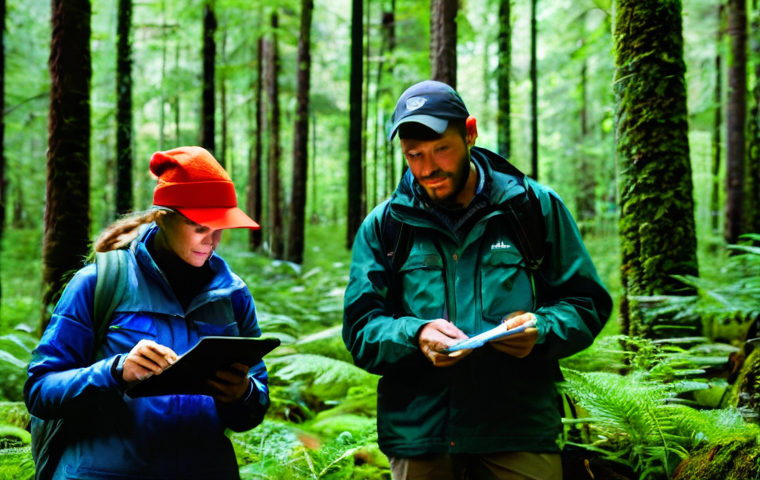
From Textbooks to Trail Dust: Learning by Doing
You know, it’s one thing to read about the intricate web of a forest ecosystem in a textbook, complete with diagrams and scientific names. I’ve spent countless hours poring over those pages, trying to grasp the complex relationships between species, the flow of energy, and the delicate balance of nature.
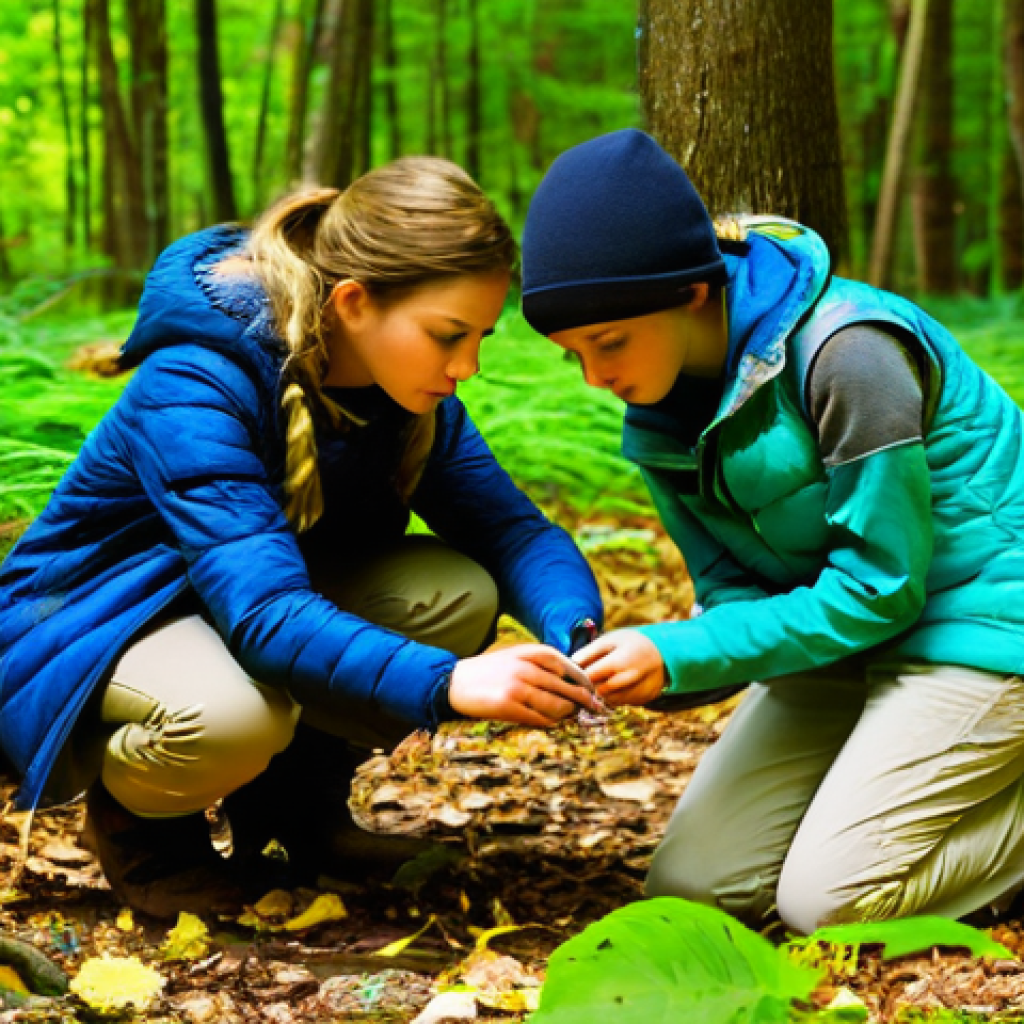
But let me tell you, it’s an entirely different, almost magical experience to actually step into that forest, feel the damp earth beneath your boots, and hear the rustle of leaves as you observe a tiny insect meticulously pollinating a wildflower.
Suddenly, the abstract theories in those books spring to life, vividly, right before your eyes. This isn’t just about memorizing facts; it’s about understanding them in their living context.
When you’re out there, you’re not just a passive learner; you become an active participant in nature’s grand design, and that’s where true comprehension blossoms.
My own journey through conservation really took off the moment I swapped library carrels for muddy trails, and I haven’t looked back since. It’s a complete game-changer for how you perceive and retain information.
Igniting Curiosity Through Direct Observation
There’s an undeniable spark that ignites when you witness ecological principles unfolding firsthand. I remember a particularly impactful moment during a field trip where we were studying stream ecology.
We’d learned about indicator species in lectures, but seeing a healthy population of stonefly larvae clinging to rocks in a pristine mountain stream, contrasted with their absence in a more polluted downstream section, made the concept incredibly real and urgent.
It wasn’t just data points; it was a clear, visual story of environmental health. This kind of direct observation doesn’t just solidify knowledge; it fuels an insatiable curiosity, prompting you to ask deeper questions.
Why are these species here? What threats do they face? How can we protect them?
It’s this kind of inquiry that drives genuine scientific investigation and, ultimately, effective conservation efforts. The natural world is the ultimate classroom, constantly offering new lessons and challenging our assumptions, and you simply can’t get that profound level of engagement from a screen.
Beyond the Books: Real-World Problem Solving
Navigating Nature’s Complexities: Developing Critical Thinking
When you’re out in the field, nature rarely presents problems with neat, textbook solutions. I’ve been in situations where unexpected weather rolled in, equipment failed, or a target species simply wouldn’t appear, despite all our planning.
These aren’t just minor inconveniences; they’re opportunities to sharpen your critical thinking skills in ways no classroom exercise ever could. You learn to assess situations quickly, analyze variables on the fly, and devise creative solutions with limited resources, all while keeping the welfare of the ecosystem and your team in mind.
It’s about developing that crucial “conservationist’s intuition,” a gut feeling backed by experience that helps you navigate the often-messy realities of environmental work.
This isn’t about rote memorization; it’s about truly understanding the dynamic interplay of factors and how your actions ripple through an environment.
You become a strategist, an innovator, and a quick-thinking problem-solver, ready for whatever surprises the wild throws your way. Trust me, these are skills that translate into every aspect of life, making you a more capable and confident individual.
Adapting to the Unpredictable: On-the-Fly Solutions
The beauty and challenge of fieldwork often lie in its inherent unpredictability. I’ve faced everything from sudden downpours that threatened to wash away our carefully laid traps to unexpected encounters with local landowners who had questions about our presence.
Each instance required immediate adaptation and a flexible mindset. You can plan meticulously, but the natural world has its own agenda, and you quickly learn that rigidity is a luxury you can’t afford.
This constant need to adapt fosters incredible resourcefulness. I remember one time our GPS unit decided to give up the ghost deep in a remote forest, and we had to rely on old-school map and compass skills to navigate back to our base camp.
It was a stressful moment, but it reinforced the importance of having a diverse skillset and not putting all your eggs in one technological basket. These are the moments that truly forge resilient conservationists – people who can think on their feet, improvise effectively, and still achieve their objectives, no matter the obstacle.
It’s empowering to know you can handle almost anything nature throws at you.
The Unsung Heroes: Data Collection and “Ground Truthing”
The Irreplaceable Value of Boots-on-the-Ground Data
In our increasingly digital world, it’s easy to think that satellites and AI can solve all our environmental monitoring needs. While these technologies are incredibly powerful and provide invaluable broad-stroke perspectives, they simply cannot replace the detailed, nuanced data collected by human beings with boots on the ground.
I’ve spent countless hours meticulously documenting plant species in specific plots, identifying individual animal tracks, or assessing the health of a coral reef by hand.
This kind of granular, localized data is absolutely critical for understanding the fine-scale changes within ecosystems, tracking rare species, and detecting subtle threats that larger-scale remote sensing might miss entirely.
Without this on-the-ground validation, even the most sophisticated algorithms are just making educated guesses. We are the ‘eyes and ears’ of conservation science, gathering the raw intelligence that informs policy and direct action.
It’s a demanding job, but the data we collect is the bedrock upon which all effective conservation strategies are built, ensuring that our efforts are precise and impactful.
Verifying the Vistas: Why We Need Human Eyes
Think of “ground truthing” as the ultimate reality check for all those beautiful satellite images and complex predictive models. We might see a green patch on a map and assume it’s a healthy forest, but only by walking through it can we truly understand its composition, assess for invasive species, or identify signs of degradation invisible from above.
I’ve personally been involved in projects where aerial surveys indicated one thing, but our field teams uncovered an entirely different story – perhaps a subtle shift in vegetation due to groundwater depletion, or the presence of a new pest that wasn’t discernible from high altitudes.
This human element in data collection provides context, depth, and a level of accuracy that purely technological approaches can’t replicate. It’s about adding the human touch of interpretation, understanding local ecological nuances, and verifying that what we *think* is happening from afar actually aligns with what’s happening on the ground.
This combination of advanced tech and dedicated fieldwork is truly the most powerful approach to modern conservation.
| Data Source | Strengths | Limitations & Need for Fieldwork |
|---|---|---|
| Satellite Imagery | Large-scale coverage, remote access, historical trend analysis | Lacks fine detail, struggles with species ID, requires ground truth validation for accuracy |
| AI Models | Fast processing of big data, pattern recognition, predictive capabilities | Dependent on input data quality, struggles with novel situations, no emotional or contextual understanding |
| Field Surveys | High accuracy, species identification, contextual understanding, direct observation of threats | Time-consuming, limited spatial coverage, requires specialized skills and physical presence |
Cultivating a Conservationist’s Heart: Personal Connection and Empathy
The Emotional Resonance of Being Present
Beyond the scientific data and problem-solving, there’s a deeply personal and emotional aspect to practical conservation experience that I believe is utterly invaluable.
When you spend days, weeks, or even months immersed in a particular ecosystem, you develop a profound connection to it. You learn the rhythms of the forest, the calls of the birds, the subtle changes in the seasons.
I remember volunteering at a sea turtle rehabilitation center, and the feeling of carefully carrying a rescued hatchling to the ocean, watching it disappear into the waves, created an emotional bond that no documentary or article could ever replicate.
It’s this raw, unfiltered experience of being present, of truly feeling the pulse of nature, that transforms an intellectual interest into a deep-seated passion and commitment.
This isn’t just a job; it becomes a part of who you are, driving you to protect these places and creatures with every fiber of your being.
Fostering a Lifelong Commitment to the Planet
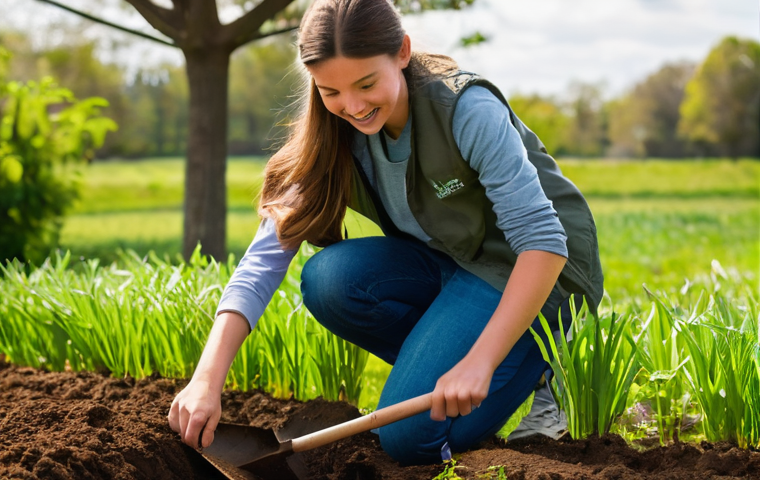
That deep, personal connection fostered in the field is often the very fuel that sustains a lifelong commitment to conservation. It’s one thing to intellectually understand the concept of biodiversity loss; it’s another to see a beloved species’ habitat shrinking before your eyes, or to witness the devastating impact of pollution on a river you’ve come to cherish.
These experiences are powerful motivators. They move you beyond abstract concerns and ground your efforts in a visceral desire to protect what you have personally experienced and loved.
I’ve seen countless volunteers and budding conservationists start their journey with a casual interest, only to be completely transformed by their first hands-on experience, dedicating their lives to environmental stewardship.
This emotional investment, born from direct interaction, creates an unwavering resolve that is absolutely essential for tackling the long-term, often challenging work of conservation.
It reminds you exactly *why* you’re doing what you’re doing, even when the going gets tough.
Opening Doors: Career Pathways Forged in the Field
Gaining Essential Skills for Green Careers
Let’s be real, if you’re serious about a career in conservation, practical experience isn’t just a bonus; it’s a non-negotiable requirement. Employers in wildlife biology, ecological restoration, park management, environmental education, and countless other green fields are actively looking for candidates who’ve actually “been there, done that.” They want to see that you can identify species in the wild, operate field equipment safely, collect reliable data, navigate challenging terrain, and work effectively in a team under sometimes difficult conditions.
I know from personal experience that showing up to an interview with stories of your time tracking migratory birds or participating in a habitat restoration project instantly sets you apart.
These hands-on skills are the building blocks of a successful career, providing you with the confidence and competence to tackle real-world environmental challenges.
It’s not just about what you know, but what you can *do*, and the field is where you hone those invaluable abilities.
Networking in Nature: Building Your Professional Tribe
Beyond the technical skills, fieldwork offers an unparalleled opportunity for networking, not just at conferences, but right there in the trenches. Imagine spending weeks working alongside seasoned wildlife biologists, park rangers, or environmental educators.
You’re sharing meals, solving problems, and enduring the elements together. These shared experiences forge incredibly strong bonds and often lead to mentorships, job opportunities, and lasting professional connections.
I’ve met some of my most influential mentors and collaborators while knee-deep in a wetland or camping under the stars. These aren’t just casual acquaintances; they become your professional tribe, a network of passionate individuals who share your dedication and can open doors to incredible opportunities.
In conservation, who you know is often as important as what you know, and there’s no better way to build those relationships than by working side-by-side in the natural world.
It’s where genuine connections are made, paving the way for future collaborations and career advancements.
Facing Modern Challenges: Why Hands-On Matters More Than Ever
Addressing Complex Crises with Direct Action
The environmental challenges we face today – climate change, unprecedented biodiversity loss, pollution – are more complex and urgent than ever before.
While policy, technology, and scientific research provide critical frameworks, direct, hands-on action remains absolutely indispensable for tackling these crises head-on.
It’s the field teams assessing wildfire damage, the volunteers planting trees for reforestation, the local communities implementing sustainable fishing practices, or the dedicated individuals rescuing injured wildlife.
These are not abstract efforts; they are tangible interventions that make a real difference on the ground, literally. My own involvement in local river clean-up initiatives, for instance, has shown me that while policy is essential for systemic change, direct action mobilizes people and creates immediate, visible improvements that resonate within communities.
This blend of strategic thinking and practical doing is precisely what’s needed to navigate our current ecological landscape effectively.
Inspiring Future Generations Through Tangible Engagement
Perhaps one of the most powerful aspects of practical conservation experience is its ability to inspire. It’s one thing for a child to learn about endangered species in a classroom; it’s another for them to participate in a local wetland restoration day, getting their hands dirty and seeing the direct impact of their efforts.
These tangible experiences are incredibly motivating and often spark a lifelong passion for nature in younger generations. I’ve witnessed firsthand the awe in a child’s eyes when they spot a rare bird they’ve just helped protect, or the pride of a teenager planting a sapling that will grow into a vital part of a forest.
In a world saturated with digital distractions, offering opportunities for direct engagement with nature isn’t just about teaching; it’s about igniting wonder, fostering stewardship, and cultivating the next generation of environmental champions.
It reminds us that conservation isn’t just about grim statistics; it’s about hope, action, and building a better future, one hands-on experience at a time.
Wrapping Up Our Field Journey
Well, if there’s one message I hope you take away from all this, it’s that the natural world isn’t just a subject to be studied; it’s a living, breathing classroom, an adventure waiting to happen.
Swapping the sterile environment of a lecture hall for the unpredictable beauty of the wild has been the single most transformative aspect of my journey in conservation.
It’s where theories become tangible, where challenges become opportunities for growth, and where a casual interest blossoms into a profound, lifelong passion.
So, if you’re ever on the fence about stepping out there, take it from me – just go. You’ll learn more than you ever thought possible, about nature and about yourself, and you’ll come back with stories and skills that truly set you apart.
Useful Insights for Aspiring Conservationists
Diving into the world of field studies and conservation can seem daunting, but with a little guidance, you’ll be well on your way to making a real difference. From my own experiences, I’ve gathered a few pointers that I wish someone had shared with me when I was just starting out. These aren’t just theoretical suggestions; they’re hard-won lessons that have shaped how I approach every outdoor endeavor. Seriously, keep these in mind, and you’ll find your path much smoother and more rewarding.
1. Preparation is Your Best Friend (Seriously, Don’t Skimp): Before you head out, do your homework. Research the local ecosystem, understand the specific challenges of your field site, and pack appropriately. This isn’t just about having the right gear – think sturdy boots, layers for unpredictable weather, and a reliable first-aid kit – but also about knowing the local flora and fauna, potential hazards, and relevant regulations. I once forgot my waterproof notepad during a coastal survey, and let’s just say trying to write notes in the rain on soggy paper was an experience I never want to repeat! A little foresight goes a long way in ensuring safety and productivity.
2. Embrace the “Uncomfortable”: Fieldwork isn’t always glamorous; sometimes it’s muddy, buggy, hot, cold, or just plain exhausting. But honestly, it’s in these moments of discomfort that you truly learn and grow. Pushing past your physical and mental limits builds resilience and resourcefulness that are invaluable both in the field and in everyday life. My most memorable breakthroughs often came after a particularly challenging day, when I had to adapt on the fly or find a solution when everything seemed to be going wrong. It’s during these times you discover what you’re truly capable of.
3. Network Like You’re Sharing a Campfire Story: While you’re out there, you’ll be surrounded by passionate individuals – from seasoned researchers to fellow volunteers. Don’t be shy! These are your people. Engage in conversations, ask questions, share your own insights, and build genuine connections. Many of my best mentors, collaborators, and even job leads have come from casual chats around a muddy truck or during a shared lunch break in the wilderness. These aren’t just professional contacts; they often become lifelong friends who share your dedication to the planet, and that community is priceless.
4. Document Everything (Even the “Insignificant” Stuff): Meticulous record-keeping is absolutely crucial. Whether it’s detailed field notes, photographs with precise GPS coordinates, or sketches of observed behaviors, every piece of data contributes to a larger understanding. Sometimes, what seems like a minor observation at the moment can become a critical piece of the puzzle later on. I’ve learned that lesson the hard way, regretting not noting a specific plant’s location or a bird’s unique call when I later needed that exact information. Your data might be the missing link someone else needs, so be thorough and consistent.
5. Safety First, Always, No Exceptions: This might sound obvious, but it’s the most critical piece of advice. Before any expedition, understand and follow all safety protocols. Know your limits, communicate your whereabouts, and always be aware of your surroundings. Whether it’s knowing how to safely handle wildlife, navigate challenging terrain, or respond to an unexpected emergency, a strong focus on safety protects you, your team, and the environment you’re working to protect. There’s no data point or discovery worth risking your well-being for. Be smart, be prepared, and stay safe out there!
Essential Lessons Learned
Looking back at all the adventures, the mud-caked boots, and the countless hours spent under the open sky, a few core truths consistently emerge about the power of practical field experience. These aren’t just bullet points on a resume; they’re the foundational pillars of effective conservation work and personal growth. My journey, and indeed the journey of many dedicated environmentalists I know, has been profoundly shaped by these lessons, proving that some things simply cannot be taught within four walls.
Firstly, Experiential Learning is Truly Unmatched. Reading about ecosystems is one thing, but experiencing the subtle symphony of a forest or the harsh reality of pollution firsthand fundamentally transforms your understanding. It bridges the gap between abstract concepts and living realities, making knowledge stick in a way textbooks never could. I’ve seen countless “aha!” moments happen in the field that could never be replicated in a lecture hall, solidifying concepts in a way that resonates deeply.
Secondly, Fieldwork is a Crucible for Critical Skills. Forget rote memorization; the wild demands quick thinking, adaptability, and innovative problem-solving. Every unexpected challenge – from a sudden downpour to a malfunctioning piece of equipment – hones your ability to assess situations, make swift decisions, and improvise with limited resources. These are not just conservation skills; they are life skills that empower you to face any hurdle with confidence, making you a more capable and resilient individual in all aspects of life.
Thirdly, Human Eyes and Boots-on-the-Ground Data Remain Irreplaceable. While technology offers incredible insights from afar, it can never fully replace the nuanced, detailed data collected by humans in the field. This “ground truthing” ensures accuracy, provides crucial context, and allows us to detect subtle changes that satellites might miss. We are the essential verifiers, ensuring that our understanding of the natural world is not just theoretical, but rooted in tangible reality, guiding precise and impactful conservation efforts.
Fourthly, It Cultivates a Deep, Personal Connection and Empathy. Spending time immersed in nature fosters an emotional bond that transcends mere academic interest. Witnessing the struggles of wildlife or the beauty of a thriving ecosystem up close ignites a powerful sense of stewardship and a lifelong commitment to protection. It’s this profound, emotional resonance that fuels the unwavering dedication needed for the long-term, often challenging work of conservation, turning a task into a calling.
Finally, Practical Experience is the Gateway to Green Careers and a Thriving Network. Employers in environmental fields overwhelmingly prioritize hands-on experience. It demonstrates competence, practical skills, and a genuine commitment. Moreover, fieldwork offers unparalleled networking opportunities, forging strong bonds with mentors and peers who often become lifelong collaborators and open doors to incredible career paths. It’s where you build your professional tribe, an invaluable asset in the competitive world of conservation.
Frequently Asked Questions (FAQ) 📖
Q: With all the amazing technology we have today, like satellite imagery and
A: I, why is getting out into the field and getting your hands dirty still so important for biodiversity conservation? A1: Oh, this is such a fantastic question, and one I hear a lot!
It’s true, technology has revolutionized how we approach conservation, giving us incredible tools to monitor vast areas and process data at lightning speed.
But here’s the thing I’ve realized again and again: while tech gives us the “what” and sometimes even the “where,” it rarely tells us the “why” or the “how” with the same depth as direct experience.
You see, a satellite can show deforestation, but it can’t tell you about the subtle shifts in the undergrowth, the specific species struggling to find food, or the local community dynamics driving the change.
When you’re physically there, you’re not just observing; you’re feeling the humidity, smelling the earth, hearing the rustle of leaves, and seeing the intricate relationships between organisms unfold.
This ‘ground truthing’ is absolutely indispensable. I remember once tracking a specific bird species for a project; the drone footage showed them nesting in one area, but only by spending days in the field did we discover that the true success of their breeding hinged on a very particular type of bush that wasn’t visible from above.
That kind of nuance, that gut feeling you develop for an ecosystem, simply can’t be programmed into an algorithm. It’s about building intuition, understanding the living, breathing pulse of nature, and realizing that every ecosystem has its own unique story, far more complex than any dataset can fully convey.
Plus, let’s be honest, there’s an unparalleled joy and profound connection that comes from being immersed in nature – it fuels your passion like nothing else!
Q: I’m really keen to get involved in practical conservation, but it feels a bit overwhelming. Where should a beginner like me even start if I want to gain some real-world experience?
A: I totally get that feeling! When I first started, I thought I needed some grand expedition or a fancy degree right off the bat, but it’s actually much more accessible than you might think.
My best advice for anyone dipping their toes in is to start local. Seriously, look up conservation groups or nature centers in your own community. Many local parks, wildlife refuges, or environmental organizations are always looking for volunteers for everything from trail maintenance and invasive species removal to native plant restoration and citizen science projects.
These are fantastic entry points because they’re often flexible, allow you to learn on the job, and connect you with experienced folks who are passionate about the same things.
I still remember my very first volunteer gig, helping clear a stream of litter – it wasn’t glamorous, but the feeling of making a tangible difference, even a small one, was incredibly motivating.
Another great avenue is to explore university programs or community colleges that offer short courses or certificates in field ecology or environmental studies; sometimes they have practical components or connections to fieldwork opportunities.
Don’t be afraid to just reach out to organizations you admire! A simple, polite email expressing your interest and availability can open doors you never expected.
And hey, even just spending more time observing nature in your local area, learning about the plants and animals around you, is a practical step. Every little bit of hands-on engagement builds your knowledge and confidence, trust me!
Q: Beyond just “getting dirty,” what specific, valuable skills do you actually develop through hands-on fieldwork that can genuinely help someone pursue a career in conservation?
A: Ah, this is where the magic really happens! Fieldwork isn’t just about showing up; it’s a bootcamp for some of the most critical skills you’ll ever need in conservation, and frankly, in life.
First off, you develop incredible observational skills. You learn to notice subtle changes in plant health, animal behavior, or water quality that a less trained eye would miss.
This isn’t just seeing; it’s interpreting what you see. Then there’s data collection and accuracy. You learn to methodically record information, understand sampling techniques, and appreciate why precision matters – because flawed data can lead to flawed conservation strategies!
I can’t count the times I’ve had to quickly adapt my data collection method because of unexpected weather or terrain. That brings me to problem-solving and adaptability.
Nature is unpredictable. You’ll encounter equipment failures, adverse weather, difficult terrain, and uncooperative wildlife. Fieldwork forces you to think on your feet, innovate with limited resources, and stay resilient when things don’t go according to plan.
I’ve had to fix a broken GPS with duct tape and sheer willpower more times than I’d like to admit! Teamwork and communication are huge too. Most fieldwork is collaborative, teaching you to work effectively with diverse personalities, communicate findings clearly, and rely on your team members.
And, of course, you gain practical species identification skills, learn to use specialized equipment like GPS, camera traps, or water quality meters, and become proficient in navigation and wilderness safety.
These aren’t just resume bullet points; they’re capabilities that truly make you an effective and sought-after conservation professional. They show you’re not just passionate, but capable and dependable.