Have you ever dreamed of a career where every single day you’re making a tangible difference for our planet? Where your passion for wildlife and healthy ecosystems isn’t just a hobby, but your actual job?
Well, I’ve got to tell you, the world of biodiversity conservation isn’t just a noble pursuit; it’s bursting with incredible, dynamic career opportunities that are evolving faster than ever before.
From safeguarding endangered species to restoring vital habitats and shaping impactful environmental policies, this field is at the forefront of tackling some of humanity’s biggest challenges.
It’s not always easy, but trust me, the fulfillment is immense, knowing you’re contributing to a sustainable future for all living things. With cutting-edge technologies like AI and remote sensing, coupled with a growing global awareness, the demand for dedicated, skilled professionals in conservation is skyrocketing, making now the perfect time to explore how you can turn your ecological passion into a powerful profession.
Wondering what it truly takes and where to even begin your journey in this incredibly vital and rewarding field? Let’s dive deeper and find out exactly what a Biodiversity Conservation Expert’s career plan entails.
Navigating the Educational Landscape: Your Foundation
Okay, so you’re buzzing with excitement about saving the planet, right? That’s fantastic! But before you can don your ranger hat or dive into groundbreaking research, you’ve got to lay down a solid foundation. From what I’ve seen, the educational journey is incredibly diverse in conservation, but a strong academic background is non-negotiable. I remember feeling a bit overwhelmed by all the choices when I first started exploring this path. It felt like every university offered something slightly different, and trying to figure out which one was “the best” for a future conservationist was a puzzle! My advice? Think about what truly fascinates you. Are you obsessed with marine life, or does the intricate dance of a forest ecosystem captivate you more? Your undergraduate degree is where you’ll get those fundamental scientific principles, teaching you how to think critically and approach environmental challenges from a scientific standpoint. It’s not just about memorizing facts; it’s about understanding the “why” behind ecological processes and developing the analytical skills that will be invaluable throughout your career. Don’t underestimate the power of a broad education here; even courses outside pure biology, like statistics or economics, can give you a huge leg up in understanding the bigger picture of conservation.
Bachelor’s Degrees: Laying the Groundwork
Most folks in conservation kick things off with a Bachelor’s degree in something like biology, environmental science, ecology, zoology, or even a more specialized field like wildlife management. When I was looking, I tried to find programs that offered a good mix of lab work and fieldwork. Trust me, getting your hands dirty (literally!) during your undergraduate years is crucial. You learn so much more by identifying species in the field or conducting basic ecological surveys than you ever will from a textbook alone. Look for programs with strong research opportunities or ties to local conservation organizations. These connections can often lead to your first internships, which are gold. My own experience taught me that networking starts right here, in your undergrad classes and with your professors. They are often incredibly well-connected and can open doors you didn’t even know existed. It’s not just about grades; it’s about showing genuine passion and initiative.
Advanced Degrees: Deepening Your Expertise
If you’re dreaming of leading research projects, influencing policy at a high level, or taking on highly specialized roles, then an advanced degree is almost certainly in your future. A Master’s or Ph.D. isn’t just a piece of paper; it’s an opportunity to dive deep into a specific area you’re passionate about and contribute original research to the field. I’ve personally seen how a Master’s degree can dramatically shift someone’s career trajectory, opening up roles in government agencies, non-profits, and even international organizations that aren’t typically accessible with just a Bachelor’s. A Ph.D., of course, is the gold standard for academic research and high-level scientific positions. Choosing the right graduate program often comes down to finding a supervisor whose research aligns with your interests and who has a track record of supporting their students’ career goals. It’s a huge commitment, both in time and effort, but the expertise you gain is truly unparalleled.
Gaining Hands-On Experience: Getting Your Boots Dirty
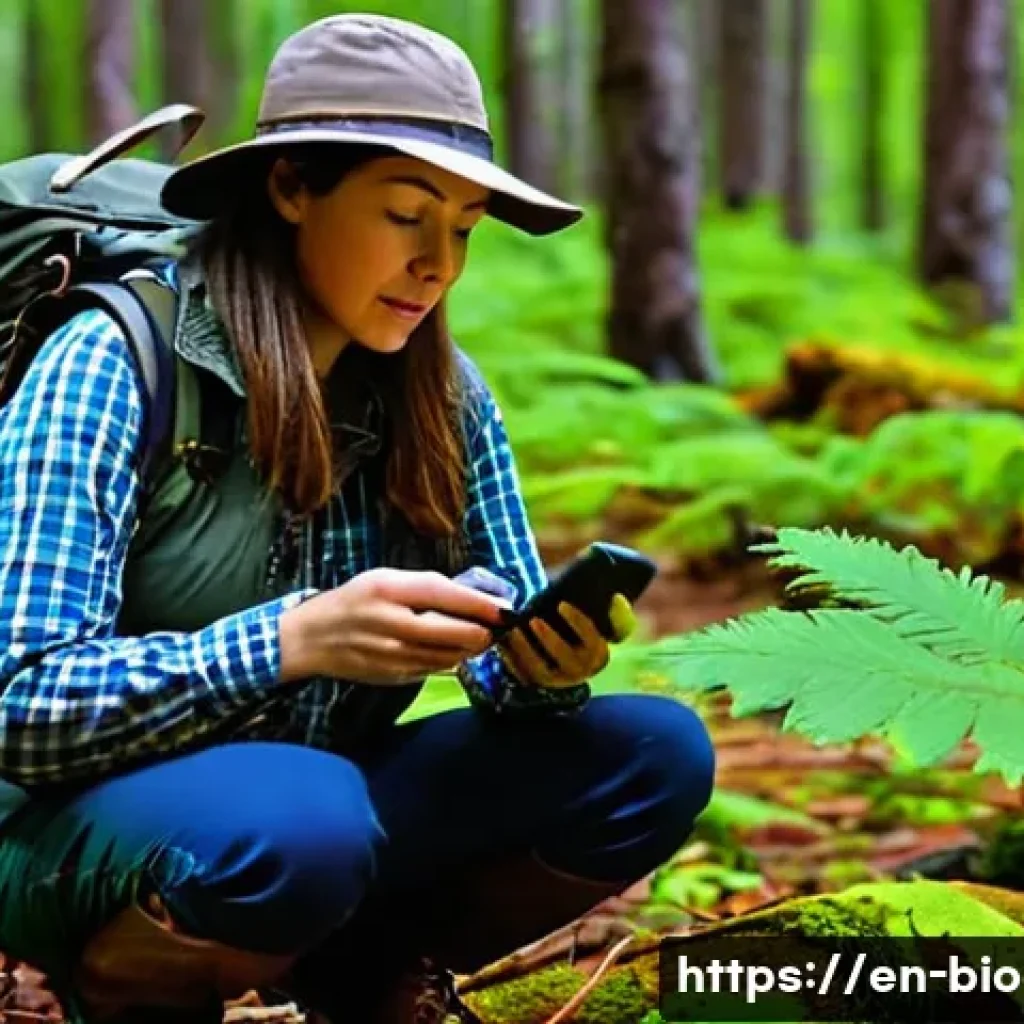
Let’s be real: degrees are important, but in conservation, practical experience often speaks volumes louder than anything else. You can read all the books in the world about wildlife tracking or habitat restoration, but until you’ve actually been out in the field, navigating thorny bushes, battling mosquitos, and sometimes just sitting patiently for hours, you haven’t truly learned. I can’t stress this enough: get out there! Whether it’s volunteering on weekends or dedicating your summer breaks to internships, every single experience adds to your toolkit. I remember one of my first conservation experiences was monitoring bird nests in a scorching hot summer. It was hard, sweaty work, but I learned so much about data collection, species identification, and honestly, just how resilient you need to be in this profession. It’s those moments, those challenges, that truly shape you into a capable conservationist. Employers want to see that you’re not afraid of hard work and that you’re genuinely committed to the cause, not just interested in the idea of it. It’s also where you start figuring out what aspects of conservation you genuinely enjoy versus what you might prefer to leave to others!
Internships and Volunteer Work: The Real-World Classroom
Internships are practically your rite of passage into the conservation world. They’re not just about getting experience; they’re about testing the waters, building your network, and figuring out what roles truly resonate with you. Many organizations, from local nature preserves to large international NGOs like the World Wildlife Fund or The Nature Conservancy, offer a plethora of internship opportunities. Look for paid internships whenever possible, but don’t shy away from unpaid ones if the experience is truly invaluable and you can manage it financially. Volunteering is another fantastic route, especially if you’re still studying or working another job. It shows initiative and passion. I’ve met countless professionals who got their start by simply offering their time and skills, which then led to paid positions. These experiences teach you practical skills like data entry, field sampling techniques, public outreach, and even grant writing – skills that rarely get taught in a classroom. It’s also where you learn the nuances of working within a team and dealing with unexpected challenges in the field.
Fieldwork and Research Projects: Practical Skills You’ll Need
This is where the rubber meets the road! Fieldwork can range from tracking elusive species in remote wilderness areas to conducting water quality tests in urban rivers or restoring native plant communities. These experiences are absolutely crucial for developing practical skills like GPS navigation, animal handling (if applicable and trained), plant identification, habitat assessment, and data collection methodologies. Participating in research projects, whether for a university professor or a conservation organization, also hones your scientific inquiry skills. You learn how to design experiments, analyze data, and contribute to scientific literature. I once spent a summer helping survey amphibian populations, and the sheer amount I learned about meticulous data recording, identifying species by their calls, and working effectively in a challenging environment was immense. These are the experiences that make your resume stand out and show potential employers that you’re ready to hit the ground running.
Specializing Your Path: Niche Fields in Conservation
The beauty of biodiversity conservation is how incredibly broad and diverse the field actually is. It’s not just about counting pandas anymore (though that’s still super important!). As you gain experience, you’ll start to notice particular areas that truly ignite your passion, or where your unique skills can make the biggest impact. This is where specialization comes in, allowing you to become a true expert in a particular niche. For me, early on, I thought conservation was just about wildlife, but then I realized how crucial habitat restoration was, and how much science went into bringing an ecosystem back to health. It’s like finding your specific superpower within the larger fight for the planet. Whether you’re drawn to the intricate world of genetics, the vastness of marine ecosystems, or the challenge of balancing human needs with ecological preservation, there’s a specialized path waiting for you. This focus not only deepens your expertise but also makes you a more valuable asset to organizations looking for specific skill sets.
| Specialization Area | Key Skills & Focus | Potential Career Paths |
|---|---|---|
| Wildlife Biology & Ecology | Species identification, population dynamics, behavioral ecology, field research, data analysis. | Wildlife Biologist, Ecologist, Research Scientist, Park Ranger, Conservation Biologist. |
| Habitat Restoration & Management | Botany, soil science, hydrology, land management, invasive species control, community engagement. | Restoration Ecologist, Land Manager, Conservation Technician, Environmental Consultant. |
| Marine Conservation | Marine biology, oceanography, fisheries management, coastal zone planning, policy advocacy. | Marine Biologist, Oceanographer, Fisheries Scientist, Coastal Manager, Policy Analyst. |
| Environmental Education & Outreach | Communication, teaching, program development, public speaking, curriculum design. | Environmental Educator, Outreach Coordinator, Nature Interpreter, Communication Specialist. |
| Conservation Policy & Advocacy | Policy analysis, law, political science, lobbying, public relations, legislative research. | Policy Analyst, Advocate, Lobbyist, Government Affairs Specialist, Environmental Lawyer. |
Wildlife Biology and Ecology: Focus on Fauna
If the thought of studying animal behavior, understanding population dynamics, or working directly with endangered species gets your heart racing, then wildlife biology and ecology might be your calling. This specialization involves a deep understanding of how animals interact with their environment, what threats they face, and how to best protect them. From tracking big cats in the Amazon to monitoring bird migrations across continents, the work can be incredibly varied and exhilarating. I’ve always been fascinated by the intricate relationships within ecosystems, and seeing a wildlife biologist piece together the puzzle of an animal’s life cycle or migration pattern is truly inspiring. You’ll likely spend a lot of time in the field, collecting data, conducting surveys, and potentially even working on captive breeding programs. It requires patience, keen observational skills, and a strong analytical mind to interpret the data you collect and turn it into actionable conservation strategies. Plus, imagine the stories you’ll have!
Habitat Restoration and Management: Rebuilding Ecosystems
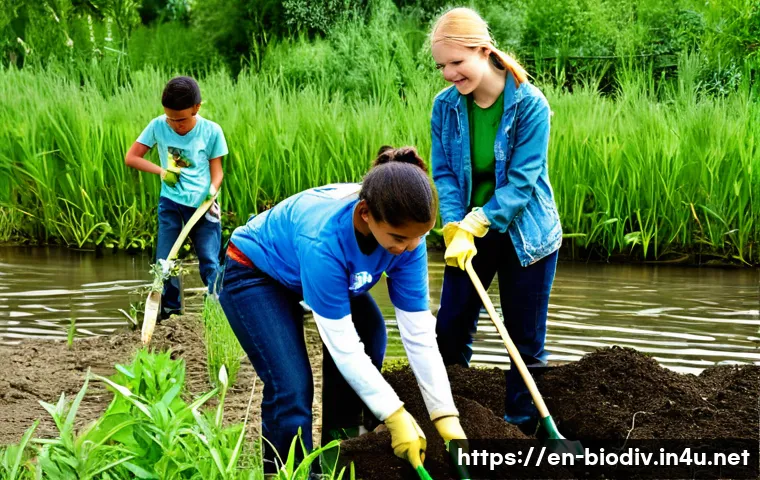
Sometimes, protecting biodiversity isn’t just about protecting the animals themselves, but about restoring the places they call home. Habitat restoration and management is a hands-on, often physically demanding, but incredibly rewarding field. This is where you get to literally rebuild ecosystems, whether it’s replanting native forests, restoring wetlands, or rehabilitating degraded rangelands. It involves a strong understanding of botany, soil science, hydrology, and even civil engineering principles. I once volunteered on a wetland restoration project, and it was amazing to see how a seemingly barren piece of land could, with careful planning and a lot of elbow grease, begin to thrive again, attracting back countless species. Professionals in this area might work for government agencies, land trusts, or private consulting firms, designing and implementing restoration plans, managing invasive species, or mitigating the impacts of human development. It’s a fantastic blend of science, practical application, and a tangible sense of making a difference.
Marine Conservation: Protecting Our Oceans
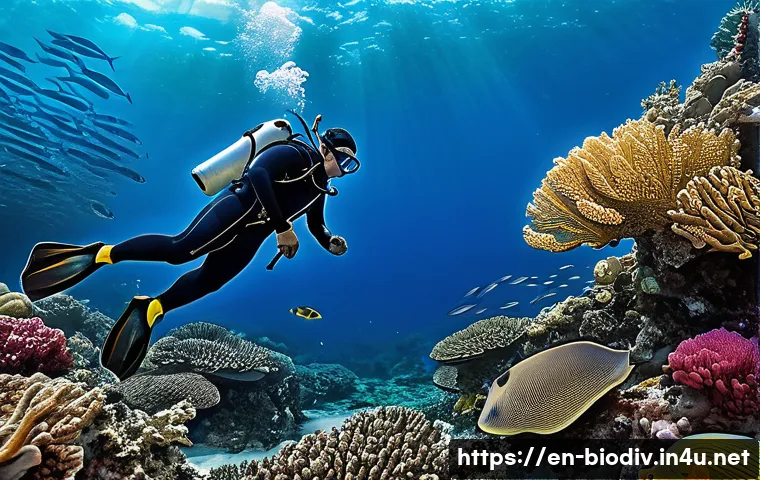
Our oceans cover over 70% of the Earth’s surface, and they are teeming with incredible biodiversity, much of which remains undiscovered. Marine conservation is a critical and growing field, tackling issues like overfishing, plastic pollution, coral bleaching, and habitat destruction in coastal and open ocean environments. If you’re a water baby at heart and fascinated by everything from microscopic plankton to majestic whales, this might be your niche. Marine conservationists often work with marine biologists, oceanographers, and policy makers. I’ve heard incredible stories from friends who work in marine conservation, from identifying new species in deep-sea trenches to working with local fishing communities to establish sustainable practices. The work can involve fieldwork (often underwater!), policy analysis, public education, and developing sustainable solutions for marine resource management. It’s a truly global field, as ocean health impacts everyone, everywhere.
The Digital Edge: Tech and Data in Conservation
The conservation world isn’t just about boots on the ground anymore; it’s also about bytes in the cloud! Technology has absolutely revolutionized how we monitor, analyze, and protect biodiversity. When I first started out, a lot of our mapping was done with physical maps and compasses. Now, with advancements in remote sensing, artificial intelligence, and sophisticated data analysis tools, we can gather and process information at a scale and speed that was unimaginable just a couple of decades ago. This shift has created an exciting demand for conservation professionals who are not only ecologically savvy but also technologically fluent. It’s incredible to think that a drone flying over a forest can give us more information about deforestation rates than weeks of fieldwork might. Leveraging these tools effectively means we can make more informed decisions, allocate resources more efficiently, and ultimately, be more effective in our conservation efforts. If you have a knack for technology or enjoy working with complex datasets, this digital side of conservation offers a truly dynamic and impactful career path.
GIS and Remote Sensing: Mapping Our World
Geographic Information Systems (GIS) and remote sensing are absolutely indispensable tools in modern conservation. GIS allows us to create, manage, analyze, and map all types of spatial data. Think about mapping endangered species habitats, tracking deforestation rates, identifying critical migration corridors, or planning effective protected areas – it’s all done with GIS. Remote sensing, which uses satellite imagery, aerial photography, and drone data, provides the raw material for these maps. I’ve personally used GIS to visualize complex ecological data, and it’s amazing how a good map can bring data to life and make it accessible to a wider audience. Professionals in this area are crucial for conservation planning, land use analysis, and monitoring environmental change over time. If you love maps, spatial analysis, and seeing the big picture of how landscapes change, then diving into GIS and remote sensing could be a really fulfilling path for you. It’s a skill that’s highly sought after across many sectors, not just conservation.
Data Science and Analytics: Unlocking Insights
With all the technological advancements, conservation organizations are swimming in data – from climate models and species population counts to human impact assessments and genetic information. But raw data is just that: raw. We need skilled data scientists and analysts to make sense of it all, to identify trends, predict future challenges, and inform conservation strategies. This field involves applying statistical methods, machine learning algorithms, and predictive modeling to complex ecological datasets. I’ve always been fascinated by how data can tell a story, and in conservation, those stories often lead to critical interventions. Imagine using predictive analytics to anticipate poaching hotspots or using genetic data to understand population viability. These roles are often behind-the-scenes but are absolutely vital. If you enjoy problem-solving, have a strong aptitude for mathematics and statistics, and are comfortable with programming languages like R or Python, a career in conservation data science could be incredibly impactful, allowing you to contribute to cutting-edge research and decision-making.
Beyond the Field: Policy, Advocacy, and Communication
While fieldwork and scientific research are undoubtedly vital, the fight for biodiversity also takes place in boardrooms, legislative chambers, and public forums. You can gather all the data in the world about a threatened species, but if there isn’t effective policy to protect its habitat or public support for its conservation, those efforts can fall flat. This is where the equally critical roles of policy experts, advocates, and communicators come into play. I’ve always admired the people who can translate complex scientific findings into clear, compelling messages that resonate with politicians or the general public. It’s a completely different skill set than what you use in the field, but it’s just as, if not more, impactful in shaping the future of conservation. These roles often require strong communication skills, an understanding of legal frameworks, and the ability to navigate complex political landscapes. It’s about influencing hearts and minds, and making sure conservation isn’t just a scientific endeavor, but a societal priority. Trust me, the world needs passionate voices articulating the importance of our planet’s living treasures.
Environmental Policy and Law: Shaping the Rules
If you’re someone who loves to understand how systems work and wants to make a difference at a systemic level, then environmental policy and law might be your niche. This field involves researching, developing, and advocating for policies and regulations that protect biodiversity. This could mean working on international agreements to protect migratory species, drafting legislation for national parks, or advocating for stronger environmental impact assessments for new developments. It requires a deep understanding of legal frameworks, political processes, and often, economics. I’ve seen firsthand how a well-crafted piece of legislation can have a ripple effect, protecting entire ecosystems for generations. Policy analysts and environmental lawyers play a crucial role in ensuring that conservation isn’t just a good idea, but a legally binding commitment. It’s a challenging but incredibly rewarding path for those who are meticulous, strategic, and passionate about systemic change.
Conservation Communication: Spreading the Word
What’s the point of groundbreaking research if no one knows about it? Or vital conservation efforts if the public isn’t aware of their importance? That’s where conservation communication comes in! These professionals are the storytellers, educators, and advocates who bridge the gap between scientific knowledge and public understanding. This can involve everything from writing compelling articles and designing educational campaigns to managing social media channels, producing documentaries, or giving public presentations. I’ve always believed that effective communication is at the heart of fostering a conservation ethic, and seeing a well-told story inspire people to take action is truly powerful. If you have a knack for writing, speaking, or visual storytelling, and a passion for sharing the wonders of the natural world, this role allows you to use your creative talents to drive real change. It’s about making conservation accessible, relatable, and inspiring to everyone.
Building Your Network: Connections That Count
I cannot emphasize this enough: your network is your net worth in the conservation world. It’s not just about who you know, but about the genuine relationships you build and the communities you become a part of. I’ve landed some of my most fulfilling projects and learned the most valuable lessons not from job boards, but from conversations at conferences, casual chats with mentors, or even just reaching out to people whose work I admired. Conservation is a relatively tight-knit community, and people genuinely want to help each other succeed because we’re all working towards a common goal. Don’t be shy! Introduce yourself, ask thoughtful questions, and always follow up. A strong network can open doors to internships, mentorships, collaborations, and ultimately, career opportunities you might never have found otherwise. It also provides an invaluable support system for when the work gets tough or you need advice on a particular challenge. Remember, every connection you make is a potential ally in the fight for our planet.
Conferences and Workshops: Meeting Your Tribe
Attending conferences and workshops is an absolute must. These events are goldmines for learning about the latest research, discovering new techniques, and most importantly, connecting with like-minded professionals from around the globe. Whether it’s a small regional workshop focused on local biodiversity or a large international conference hosted by organizations like the Society for Conservation Biology, the opportunities for networking are immense. I remember attending my first major conference and being completely overwhelmed but also utterly inspired by the passion and expertise of everyone there. Make sure to prepare an “elevator pitch” about your interests, bring plenty of business cards (or be ready to connect digitally), and don’t be afraid to approach speakers or poster presenters whose work fascinates you. These aren’t just places to listen; they’re places to engage, exchange ideas, and forge connections that could last your entire career. Plus, you often get to visit some pretty cool places!
Online Communities and Professional Organizations: Digital Doorways
In today’s digital age, your network isn’t limited to physical spaces. Online communities, LinkedIn groups, and professional organizations offer incredible avenues to connect, learn, and stay updated. Joining professional groups like The Wildlife Society, the Society for Ecological Restoration, or your local Audubon chapter can provide access to job listings, mentorship programs, and a community of experts. Many of these organizations host webinars, online forums, and virtual networking events that allow you to connect with people regardless of geographical distance. I’ve found that engaging thoughtfully in these online spaces, sharing relevant articles, and participating in discussions can quickly establish you as a knowledgeable and passionate individual. These digital doorways are particularly useful for those who might not have easy access to in-person events or who want to connect with a global community of conservationists. Don’t underestimate the power of a well-maintained professional online presence to showcase your expertise and connect you with future opportunities.
Financial Realities and Rewards: Making a Living While Making a Difference
Let’s be honest for a moment. While the passion to protect our planet is often what draws us into conservation, we all need to make a living. It’s a common misconception that careers in conservation don’t pay well, and while it might not always rival a career in corporate finance, there are definitely viable and rewarding financial paths within the field. I remember worrying about this early on, wondering if I’d have to choose between a fulfilling career and a stable income. What I’ve learned is that it’s about finding the right fit for your skills and experience, and understanding the different funding structures within conservation. Salaries can vary wildly based on the type of organization (government, non-profit, private sector), your level of education and experience, and the specific role you’re in. The key is to be strategic about your career development, focusing on building in-demand skills and seeking out roles that offer both personal fulfillment and fair compensation. And sometimes, the “rewards” aren’t always monetary; the sense of purpose and contribution is truly priceless.
Salary Expectations and Funding Sources
When it comes to salaries in conservation, it’s a broad spectrum. Entry-level positions, especially those requiring significant fieldwork, might start in the low to mid-$30,000s (USD), particularly in non-profit or academic settings. However, with a Master’s or Ph.D., and several years of experience, salaries for project managers, senior scientists, or policy analysts can comfortably reach the $60,000 to $90,000 range, and even higher for leadership roles in larger organizations or government agencies like the U.S. Fish and Wildlife Service or the National Park Service. Private environmental consulting firms often offer competitive salaries as well. Funding for conservation roles typically comes from government grants, private philanthropic foundations, membership fees for non-profits, and increasingly, corporate partnerships and impact investments. It’s worth researching typical salary ranges for specific roles and locations using resources like the Bureau of Labor Statistics or online job aggregators, to manage your expectations. Always remember that negotiating is an option, especially if you bring unique skills or experience to the table.
The Intangible Rewards: Why We Do It
While the paychecks are certainly important, I can tell you from my heart that the true “currency” in conservation often comes in the form of immense personal satisfaction and purpose. There’s an indescribable feeling that comes from knowing you’re contributing to something bigger than yourself – whether it’s seeing a restored habitat flourish, witnessing the recovery of an endangered species, or inspiring a child to care about nature. I’ve had moments in the field, standing in a truly wild place, where it just hits me how incredibly privileged I am to do this work. The people you meet, the places you see, and the challenges you overcome all contribute to a rich and meaningful life experience that few other professions can offer. It’s not always easy, and there are certainly frustrations, but the deep-seated fulfillment of fighting for a healthier, more sustainable planet for all living things? That, my friends, is an intangible reward that I wouldn’t trade for anything. It’s why so many of us, despite the hurdles, choose to dedicate our lives to this incredible field.
Closing Thoughts
Whew! We’ve covered a lot of ground today, haven’t we? From those first steps in academia to getting your hands dirty in the field, and even diving into the digital side of conservation, it’s clear this journey is as diverse as the ecosystems we’re fighting to protect. If there’s one thing I hope you take away from all this, it’s that your passion truly has a place in this vital field. It might seem daunting at times, trying to figure out your exact niche or navigate the challenges, but trust me, every single effort, big or small, contributes to a healthier planet. I’ve seen countless individuals, just like you, transform their love for nature into incredibly impactful careers. So, embrace the learning, seek out those hands-on experiences, and never stop building your network. Your future in conservation is waiting, and I’m genuinely excited to see the amazing contributions you’ll make.
Handy Information to Keep in Mind
1. Start Early with Volunteering and Internships: Seriously, don’t wait until after graduation. The sooner you start gaining practical experience, even just a few hours a week, the better. It not only builds your resume but also helps you discover what you truly enjoy (or don’t enjoy!) doing in the field, saving you time and effort down the road. Local parks, nature centers, and even university labs are great starting points for getting your feet wet.
2. Develop Strong Communication Skills: Whether you’re writing scientific reports, giving presentations, or advocating for policy changes, clear and compelling communication is paramount. Being able to translate complex ecological concepts into understandable language for various audiences is a superpower in conservation. Practice writing, public speaking, and even social media engagement – it all counts!
3. Embrace Lifelong Learning: The field of conservation is constantly evolving with new research, technologies, and challenges. Staying curious and continuously learning new skills, whether it’s a new GIS software, a field technique, or an understanding of environmental policy, will keep you relevant and adaptable. Workshops, online courses, and professional development programs are your best friends here.
4. Network, Network, Network! This isn’t just a buzzword; it’s how opportunities arise. Attend conferences, join professional organizations, connect with people on LinkedIn, and don’t be afraid to reach out for informational interviews. Every connection you make is a potential mentor, collaborator, or future colleague who shares your passion and can open doors you didn’t even know existed.
5. Cultivate Resilience and Patience: Conservation work can be incredibly rewarding, but it also comes with its share of challenges and setbacks. There will be moments of frustration, slow progress, and difficult decisions. Developing resilience, maintaining a positive outlook, and celebrating small victories are crucial for a long and fulfilling career in this field. Remember, change often happens incrementally, and your persistent efforts are truly invaluable.
Key Takeaways
Embarking on a career in biodiversity conservation is a profound journey, blending academic rigor with invaluable hands-on experience. Remember, a strong educational foundation, whether a Bachelor’s or an advanced degree, provides the scientific bedrock, but it’s the practical internships and fieldwork that truly hone your skills and define your path. The field itself is incredibly diverse, offering specializations from wildlife biology to marine conservation, and increasingly, leveraging digital tools like GIS and data science to amplify impact. Beyond the science, roles in policy, advocacy, and communication are essential for shaping societal change and inspiring public engagement. Crucially, fostering a robust professional network will open countless doors and provide unwavering support. While financial rewards are a consideration, the unparalleled sense of purpose and the profound satisfaction of contributing to a healthier planet are the true, enduring benefits that draw so many dedicated individuals to this vital work. Your passion is your most powerful tool in this fight.
Frequently Asked Questions (FAQ) 📖
Q: So, I’m really passionate about wildlife and nature – always have been! But what kind of education and experience do I really need to land a job as a Biodiversity Conservation Expert? It feels a bit overwhelming trying to figure out where to even start!
A: Oh, I totally get that feeling! It’s awesome you’re so passionate, and honestly, that’s your biggest asset in this field. Now, about the path to becoming a Biodiversity Conservation Expert – it’s more flexible than you might think, which is both exciting and sometimes a little confusing, right?
From what I’ve seen and experienced, a solid academic foundation is definitely a huge plus. Most entry-level positions often require at least a bachelor’s degree.
We’re talking about fields like environmental science, biology, ecology, natural resource management, or even zoology. These degrees give you the fundamental understanding of ecosystems, species, and the big environmental challenges we’re facing.
For example, my old professor used to say, “You can’t protect what you don’t understand,” and it really stuck with me. You’ll learn about data analysis, field research methods, and scientific principles, which are all super important.
But here’s the kicker: experience often trumps pure academics, especially in the early stages. I’ve met so many incredible conservationists who got their foot in the door through hands-on work.
Volunteer opportunities, internships, and even seasonal field positions are absolutely gold. Places like national parks, wildlife refuges, local conservation groups, or even international volunteer programs are fantastic starting points.
You’ll learn practical skills like habitat restoration, wildlife monitoring, or community engagement – things you just can’t fully grasp from a textbook.
I remember my first internship involved monitoring bird populations, and while I’d read all about it, actually being out there, tracking them and collecting data, taught me so much more about the real-world complexities.
It’s also an amazing way to build your network, which, believe me, is incredibly valuable in this close-knit community. Now, if you’re aiming for those higher-level research, management, or policy roles, a master’s or even a Ph.D.
often becomes really beneficial, if not essential. These advanced degrees typically delve deeper into specialized areas like conservation biology, environmental management, or even offer specific skills like GIS and remote sensing, which are becoming increasingly vital.
The job market is competitive, and having a master’s can certainly give you a leg up, making your application more competitive and opening doors to more advanced and often better-paying positions.
But don’t let that deter you from starting with a bachelor’s and getting that practical experience first! It’s a journey, not a sprint.
Q: What does a “Biodiversity Conservation Expert” actually do day-to-day? Is it all just fieldwork, or are there other roles too? I’m picturing myself tracking animals, but I also enjoy problem-solving and planning.
A: That’s a brilliant question, and honestly, the sheer diversity of what a Biodiversity Conservation Expert does is one of the coolest parts of the job!
It’s definitely not all just fieldwork, though, for many of us, getting out there is a huge draw. I remember thinking it would just be about observing animals, but boy, was I wrong in the best possible way!
The truth is, “Biodiversity Conservation Expert” is a really broad umbrella for a whole ecosystem of roles. You could be a Conservation Biologist, deeply immersed in scientific research – studying ecological processes, assessing human impacts, and developing strategies to restore habitats.
These folks might be in labs one day, in the field collecting data the next, or even analyzing complex ecological patterns using software like GIS. Then there are Environmental Scientists and Conservation Scientists who often work to investigate specific environmental issues like water quality or soil degradation, developing solutions and restoration strategies.
They might even help companies implement biodiversity-positive practices, which is a growing area! Think about designing a plan to reintroduce a native plant species or assessing the environmental impact of a new development.
If you love animals, Wildlife Biologists and Ecologists are definitely on the frontline, conducting research, monitoring species populations (sometimes with those cool tracking collars!), and analyzing data to inform management decisions.
This could be anything from protecting flagship species that capture public attention to safeguarding less visible but equally critical organisms. I’ve had friends who worked in zoos, government agencies, and even on corporate conservation initiatives – the settings are incredibly varied.
But beyond the science and fieldwork, there are so many other vital roles. We have Policy Analysts and Environmental Advocates who are crucial in shaping environmental laws and regulations.
It’s all about translating scientific findings into actionable policy to protect nature. And let’s not forget Conservation Educators and Outreach Specialists who are passionate about raising public awareness and inspiring communities to get involved.
They design educational workshops and campaigns, which is so important for long-term change. And if you’re into problem-solving and planning, roles like Project Managers are absolutely essential.
They structure conservation efforts, manage budgets, and ensure projects achieve measurable outcomes. This might involve working with local communities, fundraising, or even navigating complex logistics for a habitat restoration project.
I even know people who’ve transitioned from IT into project management in conservation, using their transferable skills to make a massive impact. The field is really expanding, with roles in corporate sustainability becoming more common as companies realize the importance of integrating biodiversity into their operations.
So, whether your passion is out in the wild, in a lab, at a desk influencing policy, or educating the next generation, there’s a place for you to make a tangible difference.
Q: While the idea of saving the planet sounds incredibly rewarding, I’m also realistic. What are some of the biggest challenges or “downsides” of this career, and how do people in the field manage them?
A: I’m glad you’re thinking about the realistic side of things – it’s super important to go into any career with your eyes wide open, especially one as demanding and fulfilling as biodiversity conservation.
While the rewards are immense, trust me, it’s not always glamorous. One of the biggest challenges, and one I’ve personally grappled with, is the sheer emotional toll of the work.
You’re constantly facing grim realities: habitat loss, species extinction, and the impacts of climate change. It can be incredibly disheartening, and it’s easy to feel overwhelmed.
I’ve definitely had days where I’ve felt like I’m fighting an uphill battle, and it takes a conscious effort to stay positive and focused on the wins, no matter how small.
People manage this by connecting with their community, celebrating successes, and remembering why they started. Another significant hurdle, and one that’s often talked about, is funding and job security, especially in the non-profit sector.
Many conservation organizations rely on grants and donations, which can make budgets tight and positions competitive. It’s not a field where you typically get rich, though corporate roles are starting to offer more competitive salaries.
Many of us enter this field because of passion, not for the paycheck, and find our “wealth” in the satisfaction of making a difference. My advice? Develop diverse skills, be adaptable, and don’t be afraid to look at different types of organizations, including government agencies or even ecological consultancies, which can sometimes offer more stability.
Then there’s the nature of the work itself. Sometimes, fieldwork is tough! We’re talking remote locations, unpredictable weather, and long hours away from home.
I’ve spent weeks in the field, battling mosquitoes, mud, and endless data collection, and it’s certainly not for everyone. You need a strong dose of adaptability and resilience.
Plus, it can involve less-than-glamorous tasks, like, well, cleaning up after animals! But even in those moments, knowing you’re directly contributing to something vital makes it all worth it.
Finally, and this might surprise some, but human interaction can be a big challenge. Conservation isn’t just about animals and ecosystems; it’s deeply intertwined with people, local communities, and sometimes conflicting interests.
You might find yourself negotiating conflicts, building trust with diverse stakeholders, or facing resistance to conservation efforts. Effective communication, cultural sensitivity, and a willingness to understand different perspectives are absolutely essential.
I’ve learned that sometimes the most impactful conservation work happens not just in the forest, but in community meetings, building bridges between people and nature.
It’s definitely a demanding career, but the flip side is that you’re surrounded by incredibly dedicated, passionate people who share your vision. That sense of community and collective purpose is truly powerful and helps us all navigate the tough days.