A practical biodiversity conservation project starts with a clear baseline, measurable objectives, and a monitoring plan designed before fieldwork begins.
Internal coordination may be enough for a small, low-risk site, but ecological consultants or restoration contractors are often worth considering when surveys, permits, protected species, specialist restoration design, or formal reporting are involved.
The best delivery model depends on who owns the site, the ecological risks, the required evidence, and the team’s ability to manage long-term maintenance.
A low initial quote is not always the lowest overall project cost if it excludes monitoring, seasonal survey work, access planning, or follow-up maintenance.
Clear scope documents also make ecological survey quotes and restoration proposals easier to compare. This guide helps project teams plan habitat restoration, ecological monitoring, and biodiversity reporting work without making claims that cannot be measured or maintained.
At a Glance
- Start with a baseline assessment of habitats, species, site conditions, and ecological pressures.
- Set objectives that identify the location, target feature, timeframe, and measurable indicator.
- Plan monitoring and long-term maintenance before selecting a restoration method or provider.
| Delivery Model | Best Fit | Typical Cost Drivers | Oversight Needed |
|---|---|---|---|
| In-house coordination | Smaller sites with a capable internal project lead and limited ecological complexity | Survey support, materials, staff time, monitoring tools, and maintenance | High: the internal team manages suppliers, access, records, and decisions |
| Independent ecological consultant | Projects needing baseline surveys, ecological advice, permit awareness, or independent monitoring design | Survey methodology, seasonal fieldwork, reporting requirements, and specialist expertise | Medium: the client still appoints contractors and manages implementation |
| Full-service restoration contractor | Projects requiring coordinated design, field delivery, planting, hydrology work, or invasive-species control | Site access, labor, equipment, materials, restoration complexity, maintenance, and monitoring | Medium to low: clear milestones and quality checks remain essential |
| Hybrid model | Teams that want independent ecological oversight alongside contractor-led delivery | Separate consultant and contractor scopes, reporting, monitoring, and change control | Medium: responsibilities must be documented carefully |
What a Practical Conservation Project Needs to Deliver
Three Essential Elements: Baseline, Measurable Outcome, and Long-Term Stewardship
A biodiversity conservation project should do more than record that trees were planted or a workday took place. It needs a baseline that describes the starting condition, an outcome that can be evaluated, and a stewardship approach for the period after implementation.
A simple internal plan may be appropriate when the activity is limited and the site is well understood. Paid ecological expertise becomes more valuable when the project involves protected species, uncertain habitat conditions, local planning requirements, formal nature-risk reporting, or a need for defensible ecological monitoring.
Think in lifecycle terms: a project is not complete at installation. Habitat recovery can take multiple seasons or years to become visible, particularly where planting, hydrology, connectivity, or disturbance reduction is involved.
Define the Site Boundary, Ecological Features, and Decision-Makers
Begin by defining the area under consideration. This may be a corporate campus, field margin, woodland edge, wetland, community green space, operational land, or a development-linked mitigation area. A boundary should be clear enough that everyone understands what is included and what is outside the project’s control.
List the ecological features that may matter: habitats, species records where available, water conditions, vegetation structure, invasive species, disturbance sources, adjacent land uses, and potential habitat connections. Also identify the people who can approve access, release budget, authorize works, maintain the site, and receive reports.
This step prevents a common problem: commissioning an ecological survey without first agreeing what decisions the survey is expected to support.
Turn Broad Environmental Goals Into Measurable Project Objectives
Broad goals such as “improve biodiversity” or “support wildlife” are useful starting points, but they are not yet project objectives. A more actionable objective identifies where the work will occur, what feature is being addressed, when progress will be reviewed, and which indicator will be used.
For example, an objective may focus on improving habitat condition in a defined area, reducing a documented ecological pressure, or tracking a selected habitat indicator over a stated review period. The appropriate indicator depends on the site and must be selected through site-specific assessment.
Avoid promising a specific population increase or regulatory outcome. Ecological systems respond to many factors, and no intervention can guarantee a particular result.
Build the Scope and Budget Before Choosing a Provider
Core Cost Categories: Surveys, Design, Permits, Field Delivery, Monitoring, and Maintenance
A useful biodiversity project budget separates the work into distinct categories rather than treating restoration as one purchase. This makes it easier to compare ecological survey quotes, restoration contractor proposals, and biodiversity monitoring software options.
- Baseline surveys: habitat, species, site-condition, and pressure assessments.
- Design and planning: restoration options, methodology, schedules, maps, and specifications.
- Permits and approvals: requirements related to land access, protected species, planning, or local rules.
- Implementation: field labor, materials, planting, invasive-species control, hydrology improvements, or access measures.
- Monitoring: repeat surveys, data management, reporting, and review meetings.
- Maintenance and contingency: follow-up care, weather-related changes, access issues, and unforeseen site conditions.
Exact costs vary substantially by country, site conditions, target features, land ownership, scale, and reporting requirements. Requesting a scoped proposal is more useful than asking for a generic price.
Compare In-House Coordination, Ecological Consultants, and Full-Service Restoration Contractors
In-house coordination can work when the organization has a clear decision-maker, access to the site, and the capacity to manage several suppliers. It is often less suitable when specialist survey timing, technical restoration design, or independent evidence is needed.
Ecological consultants can help define the baseline, survey approach, constraints, targets, monitoring indicators, and reporting structure. They may be especially useful when the project must inform environmental consulting decisions, corporate nature-risk reporting, grant applications, or compliance-related work.
Full-service restoration contractors can coordinate practical delivery, but their scope should state whether ecological design, permits, monitoring, and maintenance are included. A contractor may be highly capable in field delivery while an independent ecologist is better placed to provide survey design or objective monitoring oversight.
A hybrid model often gives teams a practical balance: independent ecological advice for scope and verification, with a restoration contractor responsible for field implementation.
Questions to Include in a Request for Proposal or Project Brief
- What decision should the baseline survey support?
- Which habitats, species, pressures, or site conditions are within scope?
- What seasonal survey windows may affect timing?
- Which permits, protected-species rules, land access agreements, or planning requirements may apply?
- Who is responsible for implementation, maintenance, monitoring, and final reporting?
- What assumptions, exclusions, and contingency arrangements are included?
- How will monitoring results be compared with the baseline?
Ask providers to distinguish clearly between what they will assess, what they will deliver, and what remains the client’s responsibility.
A Step-by-Step Delivery Plan From Baseline to Monitoring
Complete Baseline Surveys at an Appropriate Seasonal Window
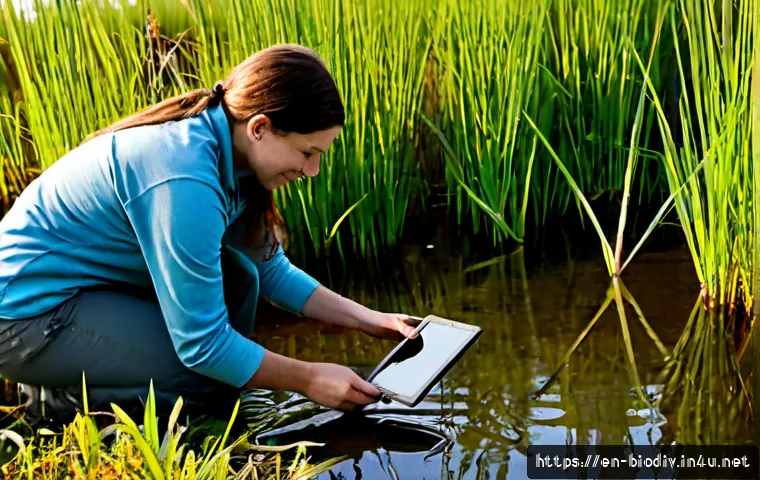
Baseline work should capture the habitats, species, ecological pressures, and site conditions relevant to the project. The survey method and timing should fit the site and target features. Some observations may only be meaningful during appropriate seasonal windows, so delaying this decision can affect the overall schedule.
Do not assume that a quick site walk provides all the evidence needed for restoration design or monitoring. A qualified ecologist can advise whether a more detailed survey is appropriate for the proposed activity.
Identify Pressures, Risks, and Realistic Intervention Options
Once the baseline is understood, identify what is limiting habitat condition or ecological function. Pressures may include invasive species, unsuitable vegetation management, disturbance, fragmented habitat, altered water conditions, limited connectivity, or site access constraints.
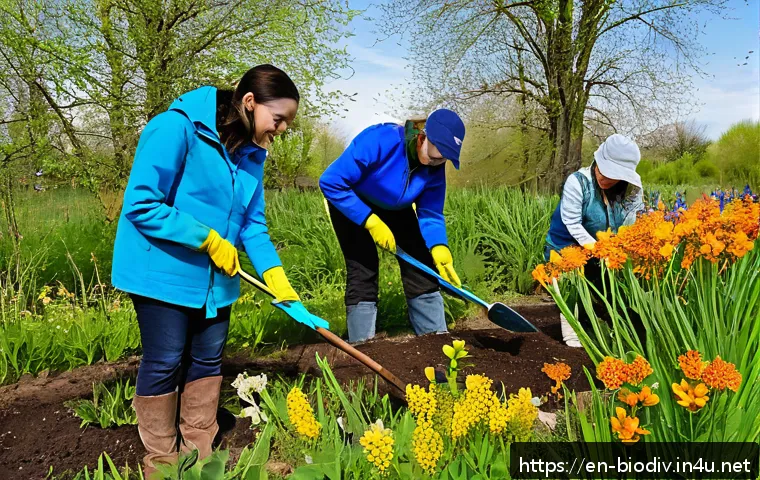
Possible restoration measures can include invasive-species control, native planting, hydrology improvements, connectivity measures, and disturbance reduction. The right intervention is not universal. A method that suits one site may be ineffective or unsuitable elsewhere.
At this stage, document risks that could change the scope: landowner permissions, operational activity, weather, contractor access, maintenance capacity, and regulatory constraints.
Create an Implementation Schedule With Responsibilities and Decision Points
A workable schedule should state who approves the design, who controls site access, when fieldwork can occur, who checks quality, and what happens if conditions change. It should also identify decision points before irreversible work begins.
For example, a project team may require confirmation of baseline findings before finalizing a planting plan, or a review of access conditions before mobilizing restoration equipment. These checkpoints reduce the risk of paying for work that does not match the actual site conditions.
For larger projects, use a simple responsibility record that names the owner, consultant, contractor, facilities team, land manager, and reporting lead. Clear roles matter as much as a clear ecological design.
Set Monitoring Indicators, Methods, and Review Dates Before Work Begins
Monitoring should be designed before implementation so that baseline and post-project results can be compared consistently. A monitoring plan should define the indicator, method, location, timing, responsible party, data format, and review date.
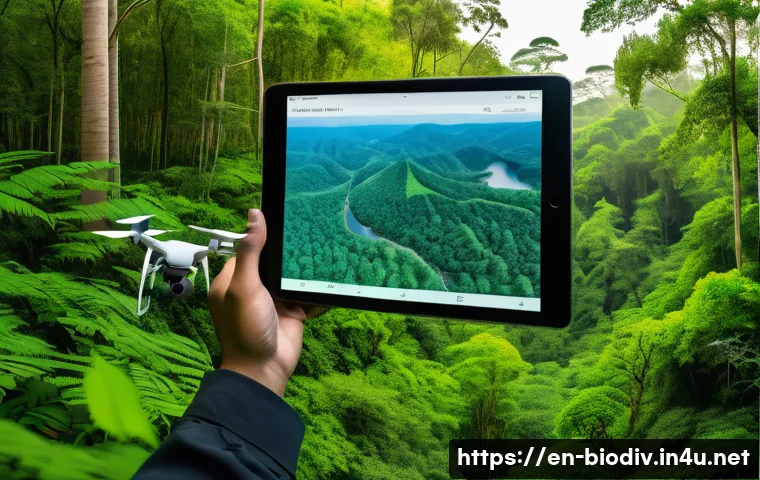
Biodiversity monitoring software may help teams organize field records, photographs, maps, repeat observations, and reporting outputs. However, a platform does not replace a suitable monitoring method. First decide what evidence is needed; then choose tools that support consistent collection and review.

Set realistic expectations. Ecological outcomes may take multiple seasons or years to become visible. A review process should allow the team to adapt management where results indicate that the original approach needs adjustment.
Common Implementation Mistakes and How to Avoid Them
Starting Restoration Without Enough Baseline Information
Beginning fieldwork before understanding the site can lead to poorly matched interventions. It may also make it difficult to demonstrate whether the project changed conditions over time. Start with an assessment proportionate to the site, risks, and intended decisions.
Measuring Activity Instead of Ecological Outcomes
It is easy to record activities such as planting days, volunteer hours, or area treated. These records are useful for project management, but they are not automatically ecological outcomes. Pair activity records with indicators that relate to the agreed conservation objective.
Underestimating Maintenance, Access, Weather, and Seasonal Constraints
A restoration plan can look complete on paper while failing in practice because follow-up care, site access, field conditions, or seasonal survey windows were overlooked. Include long-term maintenance and practical constraints in the original scope, not as an afterthought.
Selecting a Provider Based Only on the Lowest Initial Quote
A low quote may exclude monitoring, reporting, permit support, replacement work, maintenance, or project coordination. Compare the lifecycle scope rather than the first implementation figure alone. Ask what evidence will be delivered, who owns the data, and what happens after fieldwork ends.
Adapt the Plan to Your Site and Project Context
Corporate Campuses and Operational Sites
Corporate sites often need a plan that works alongside safety, access, maintenance, and operational schedules. A practical approach may focus on defined landscape areas, recurring monitoring, clear facilities responsibilities, and reporting that can support sustainability or nature-risk discussions.
Keep claims proportionate to the evidence. Corporate biodiversity reporting should distinguish between completed actions, monitored changes, and longer-term aspirations.
Private Land and Agricultural Landscapes
Private land projects may involve field boundaries, water features, woodland edges, grassland areas, or connectivity between habitats. Land access, ongoing management capacity, neighboring land uses, and ownership arrangements can shape what is realistic.
Before relying on grant funding or certification-related outcomes, confirm the relevant eligibility and reporting requirements directly with the applicable framework or authority.
Community-Led Habitat Projects
Community projects can benefit from simple, well-documented scopes that match volunteer capacity. Define who will maintain the site after initial activity, how records will be stored, and when specialist advice is needed. A modest project with reliable stewardship can be more practical than a complex plan with no long-term owner.
Development, Mitigation, and Compliance-Related Work
Development-linked projects can have higher stakes because permits, protected-species rules, planning conditions, and formal reporting may affect scope and timing. Specialist environmental consulting support may be appropriate early in the process, before design decisions or construction schedules limit available options.
Requirements vary by jurisdiction and site. Confirm legal, planning, and regulatory obligations with qualified local professionals or the relevant authority.
Selection Criteria and Comparison Summary
Before appointing a partner, compare proposals using the same decision criteria:
- Qualifications and role fit: Can the provider deliver surveys, design, implementation, monitoring, or only part of the work?
- Survey methodology: Is the proposed method appropriate for the site, target features, and intended decisions?
- Local knowledge: Does the team understand relevant habitats, access conditions, and local planning context?
- Insurance and delivery controls: Are responsibilities, site safety, access arrangements, and subcontractor roles clear?
- Reporting capability: Can the provider supply records and reporting suitable for internal governance, funders, buyers, or regulators where needed?
- Lifecycle value: Does the proposal include monitoring, maintenance, review points, and clear exclusions?
Request a scoped survey proposal before committing to a restoration design. Compare monitoring and maintenance terms, not only the initial quote. Official service pages and proposal documents are the right place to verify detailed conditions, exclusions, and responsibilities.
Final Thoughts
A strong biodiversity conservation project is built around evidence, realistic objectives, and long-term stewardship. The project team should know what condition exists now, what change it is trying to support, and how progress will be assessed.
Whether delivery is internal, consultant-led, contractor-led, or hybrid, the scope should make responsibilities visible. This approach helps avoid weak targets, poorly timed work, and monitoring plans that cannot show meaningful comparison over time.
Useful Information to Keep in Mind
1. Survey timing matters. Seasonal conditions can affect what can be observed and when decisions can be made.
2. Monitoring is not an add-on. It should be planned alongside baseline assessment and implementation.
3. Maintenance is part of delivery. Habitat work may require continued management after the initial intervention.
4. Tools support process. Biodiversity monitoring software can improve records and reporting, but it does not determine the correct ecological method.
Important Considerations
Project costs, timelines, permits, staffing needs, funding eligibility, and reporting requirements vary by location, site conditions, land ownership, target species, scale, and applicable frameworks. The appropriate survey method, restoration design, and monitoring frequency require site-specific professional assessment. No biodiversity intervention can guarantee a particular population increase, ecological result, funding outcome, or regulatory decision.
Frequently Asked Questions
Q1. How much does a biodiversity conservation project cost?
A1. Costs vary by site size, country, habitat conditions, target features, survey needs, permits, restoration methods, access, monitoring, and maintenance. A better approach is to request a scoped proposal that separates baseline surveys, design, field delivery, monitoring, and contingency items.
Q2. When should an organization hire an ecological consultant instead of managing the project internally?
A2. An ecological consultant may be helpful when a project needs baseline surveys, specialist methodology, permit awareness, protected-species considerations, independent monitoring design, or formal reporting. Internal coordination may be suitable where the site is straightforward and the team has enough capacity to manage scope, suppliers, records, and maintenance.
Q3. What should be included in a biodiversity monitoring plan?
A3. A monitoring plan should identify the baseline, target indicator, survey or observation method, monitoring locations, timing, responsible party, data format, review dates, and reporting process. It should be designed before implementation so results can be compared consistently over time.
Q4. How long does habitat restoration take to show measurable results?
A4. Results may take multiple seasons or years to become visible, especially where habitat recovery is involved. The timeframe depends on site conditions, ecological pressures, restoration methods, weather, maintenance, and the indicator being monitored.